Archives July 2026

Understanding the Optical Technology Behind High-Performance Thermal Imaging Modules Understanding the Optical Technology Behind High-Performance Thermal Imaging Modules
Why Are Infrared Thermal Imaging Lenses Much More Expensive Than Conventional Camera Lenses?

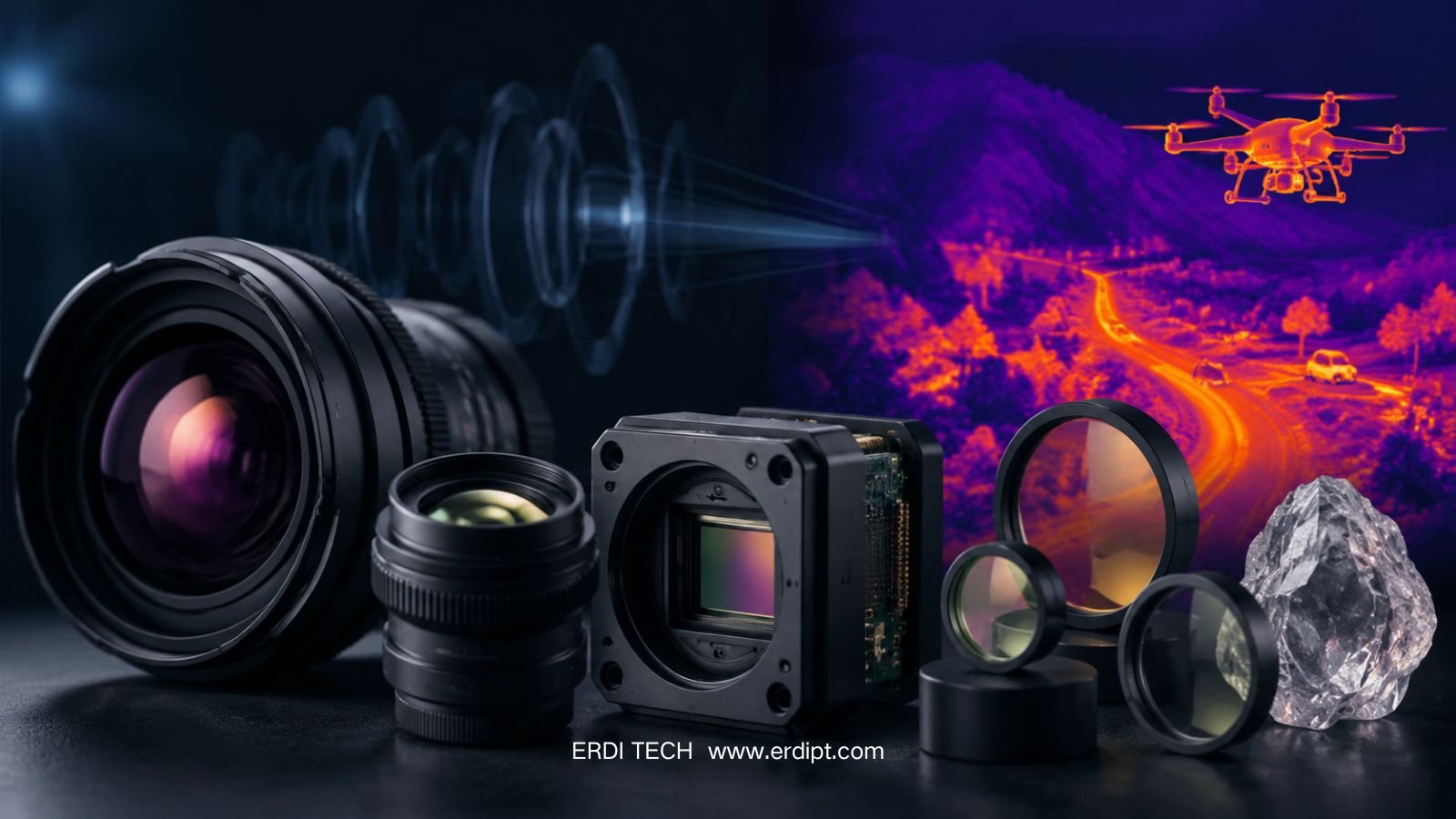
Why Are Infrared Thermal Imaging Lenses Much More Expensive Than Conventional Camera Lenses? Understanding the Optical Technology Behind High-Performance Thermal Imaging Modules When selecting an infrared thermal imaging module, many customers focus primarily on the detector resolution, such as 256×192, 384×288, or 640×512 pixels. However, one critical component is often overlooked: the infrared lens. In a thermal imaging system, the lens is not just a mechanical accessory mounted in front of the detector. It is a key optical component that directly determines: Detection distance; Field of view; Image clarity; Target recognition capability; Overall module performance. This is why an…

Read more
    thermal imaging module based on your application thermal imaging module based on your application
    How to Choose the Right Thermal Imaging Module for a Drone: A Complete Buyer’s Guide (2026)

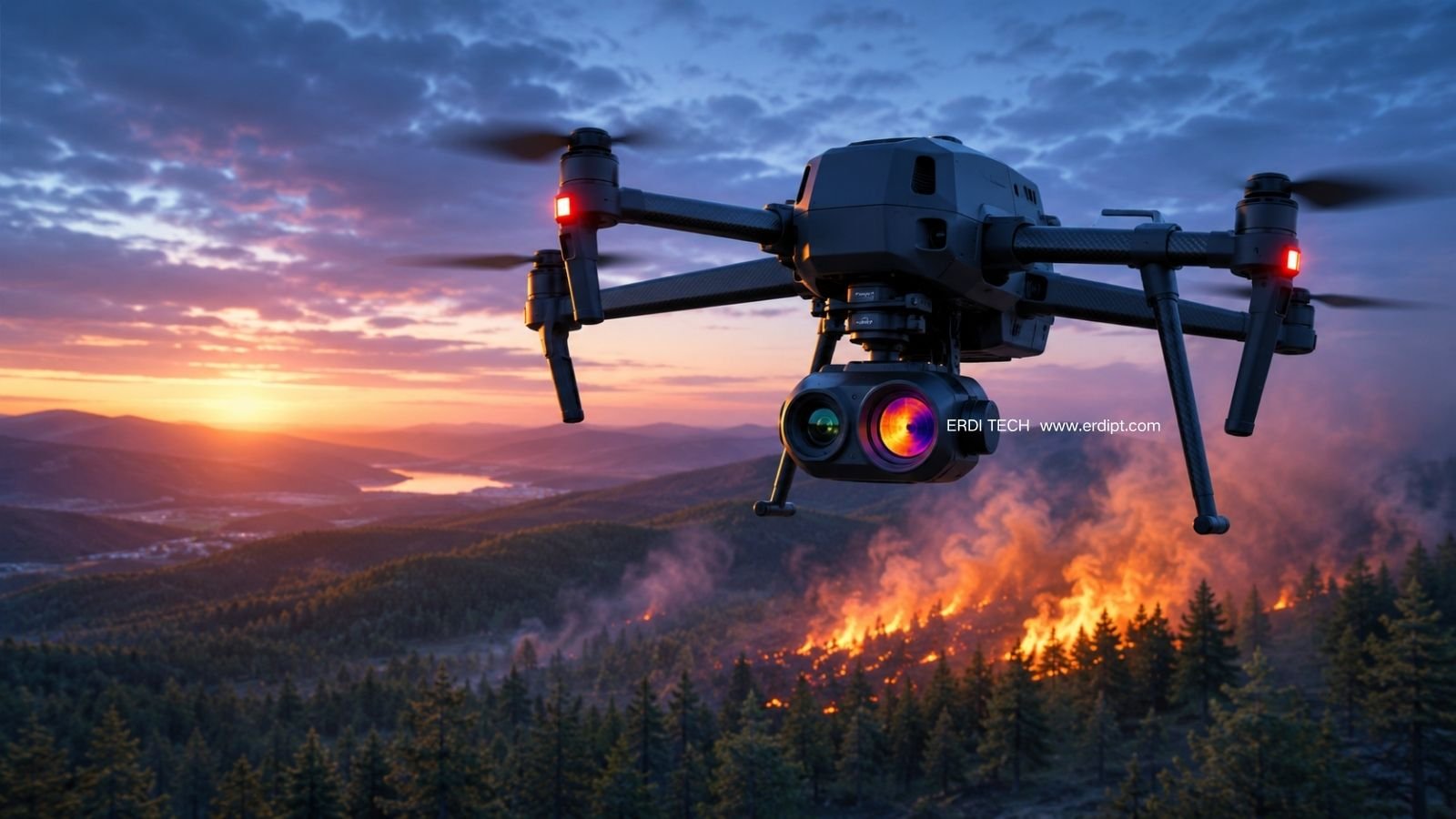
    How to Choose the Right Thermal Imaging Module for a Drone: A Complete Buyer’s Guide (2026) As drones continue to transform industries ranging from infrastructure inspection to public safety, thermal imaging has become one of the most valuable sensing technologies available. Whether the mission involves locating missing persons at night, detecting overheating electrical equipment, monitoring wildfires, or enhancing border security, a thermal imaging module allows a drone to “see” heat rather than visible light. Yet selecting the right thermal camera for a UAV is not as simple as choosing the highest resolution or the lowest price. Every application has…

    Read more
      Why the Industry Is Moving from 17 μm to 12 μm Pixels Why the Industry Is Moving from 17 μm to 12 μm Pixels
      Understanding Infrared Detector Pixel Pitch: Why Pixel Size Matters in Thermal Imaging | ERDI

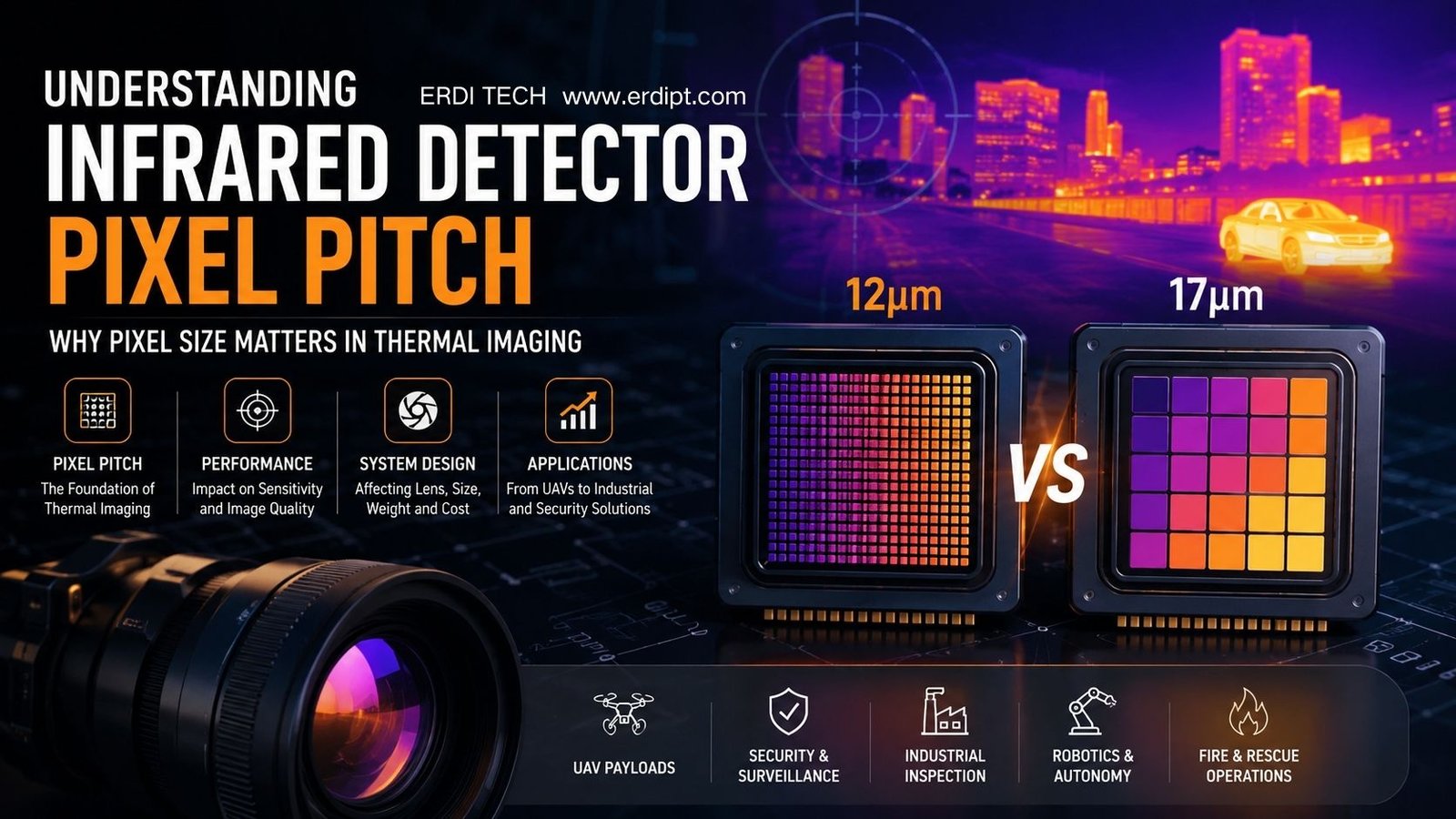
      Understanding Infrared Detector Pixel Pitch: Why Pixel Size Matters in Thermal Imaging If you’ve ever compared thermal imaging cameras or infrared modules, you’ve probably come across specifications such as 12μm, 15μm, or 17μm Pixel Pitch. For many newcomers, these numbers can be confusing. Does a smaller pixel automatically produce a better image? Why do some high-end thermal cameras still use larger pixels? How does pixel pitch affect image quality, detection distance, lens size, and overall system performance? The truth is that pixel pitch is one of the most important specifications of an infrared detector, but it is also one…

      Read more
        Infrared Thermal Imaging in the Automotive Industry: Applications, Benefits, and Future Trends Infrared Thermal Imaging in the Automotive Industry: Applications, Benefits, and Future Trends
        Infrared Thermal Imaging in the Automotive Industry: Applications, Benefits, and Future Trends

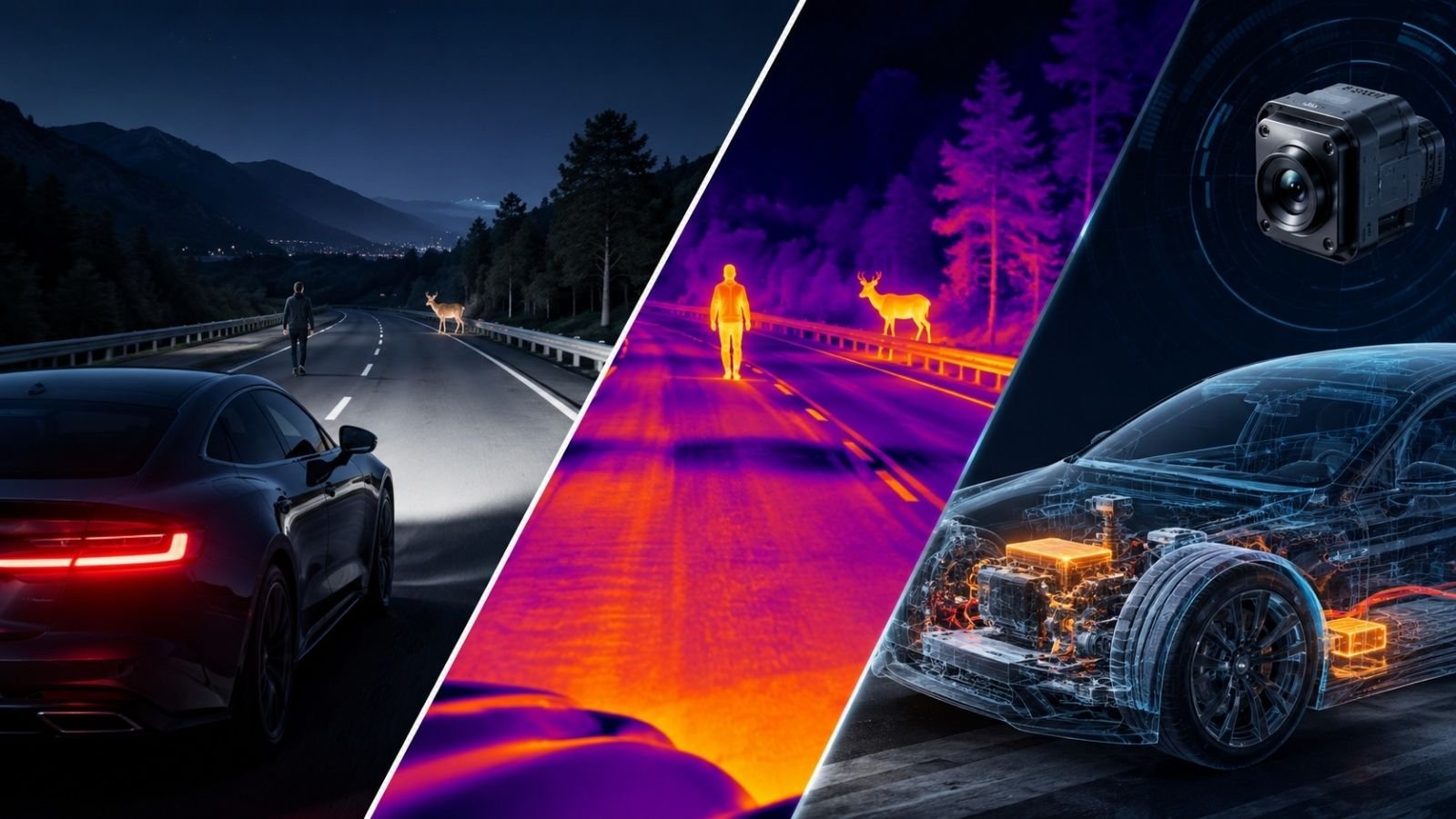
        Infrared Thermal Imaging in the Automotive Industry: Applications, Benefits, and Future Trends Introduction As vehicles become smarter and more connected, automotive manufacturers are constantly searching for technologies that improve driving safety, reliability, and intelligent perception. One technology that has gained significant attention in recent years is infrared thermal imaging. Originally developed for military, aerospace, and industrial inspection, automotive infrared thermal imaging systems are now becoming an essential part of advanced driver assistance systems (ADAS), autonomous driving platforms, electric vehicle diagnostics, and vehicle manufacturing. Unlike traditional cameras that rely on visible light, thermal imaging cameras detect infrared radiation emitted by…

        Read more