

Why Are Infrared Thermal Imaging Lenses Much More Expensive Than Conventional Camera Lenses?
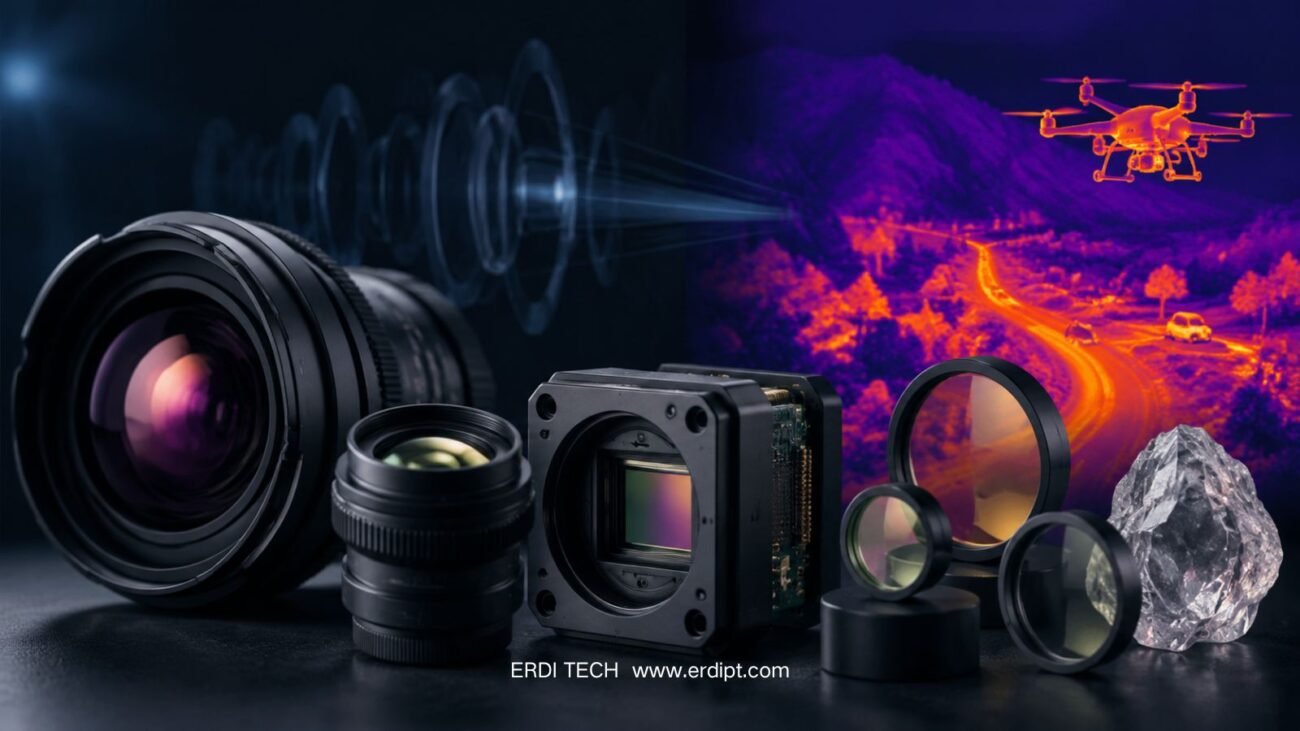
Quick answer: infrared lenses cost far more than visible-light lenses because they require specialized IR optical materials, precision manufacturing, and thermal compensation to work in the 8–14 μm long-wave infrared band.
Understanding the Optical Technology Behind High-Performance Thermal Imaging Modules
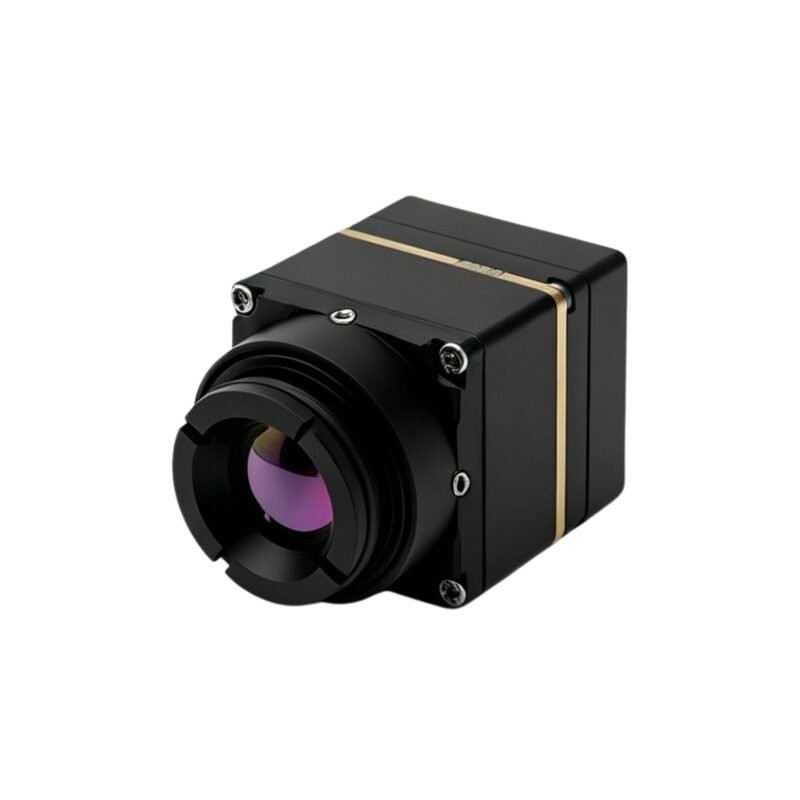
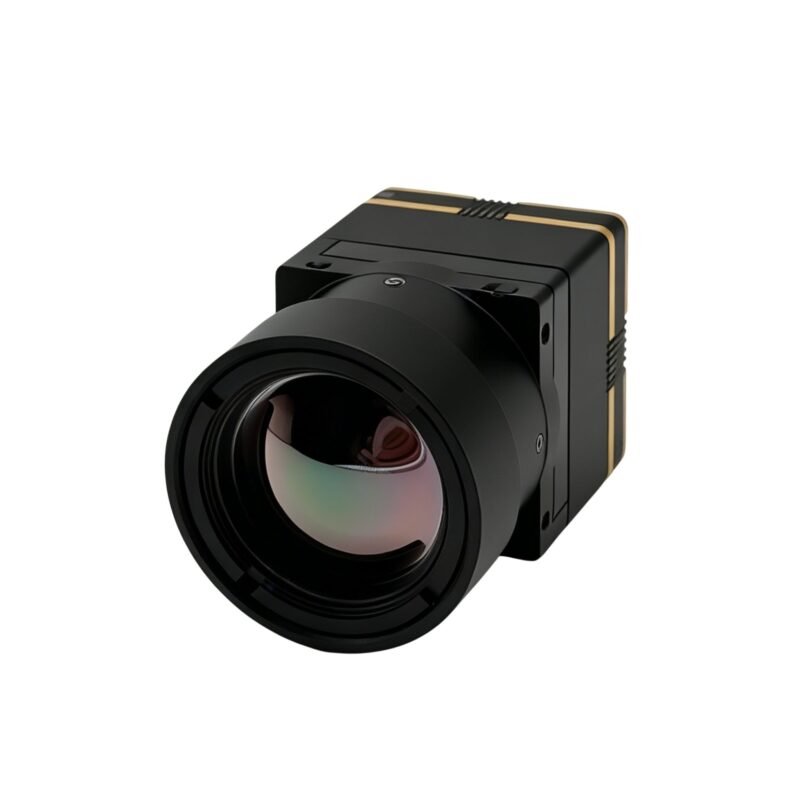
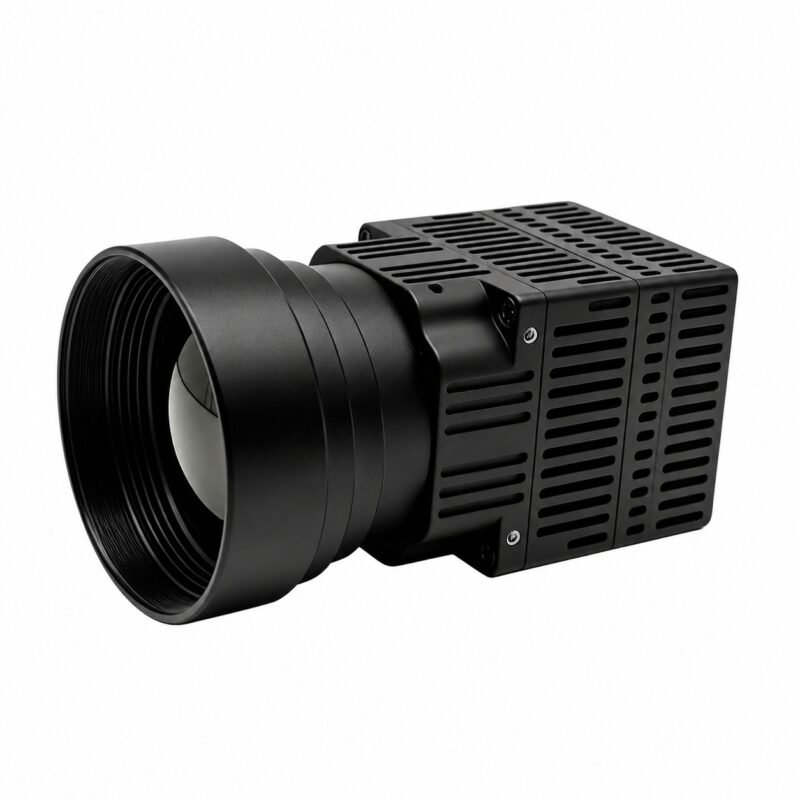
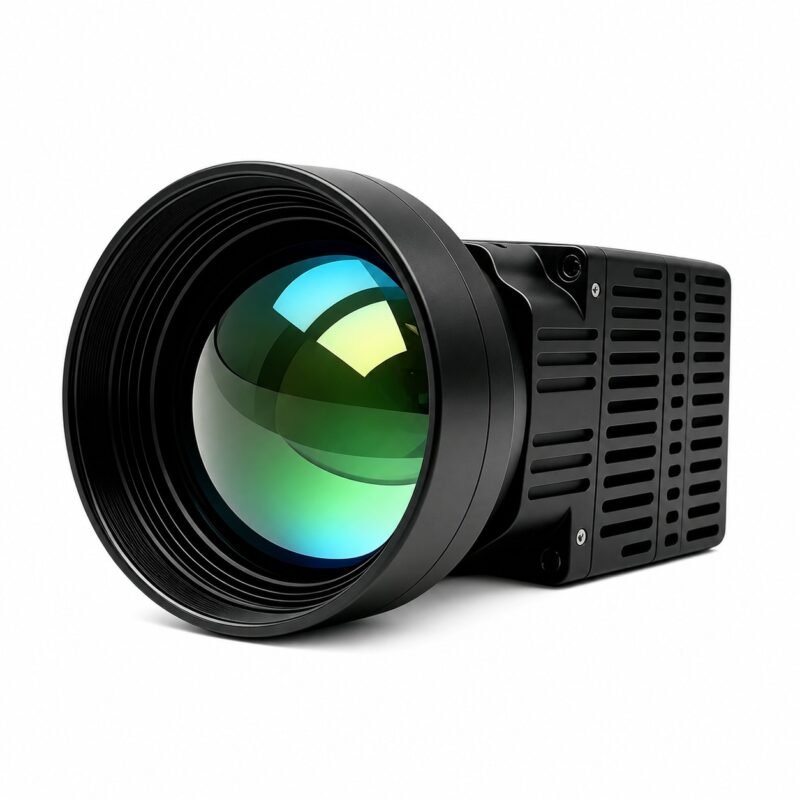
When selecting an infrared thermal imaging module, many customers focus primarily on the detector resolution, such as 256×192, 384×288, or 640×512 pixels. However, one critical component is often overlooked: the infrared lens.
In a thermal imaging system, the lens is not just a mechanical accessory mounted in front of the detector. It is a key optical component that directly determines:
- Detection distance;
- Field of view;
- Image clarity;
- Target recognition capability;
- Overall module performance.
This is why an infrared thermal imaging module with the same detector resolution can have completely different prices depending on the lens configuration.
Compared with conventional visible-light camera lenses, infrared thermal imaging lenses are significantly more expensive because they require:
- Specialized infrared optical materials;
- Advanced manufacturing processes;
- Precise optical design;
- Thermal compensation technology;
- Strict compatibility with infrared detectors.
Understanding the differences between infrared lenses and conventional lenses is essential for selecting the right thermal imaging solution.
1. Infrared Thermal Imaging Lenses Operate in a Completely Different Optical Band
The fundamental difference between infrared lenses and normal camera lenses is the wavelength range they are designed for.
A conventional camera captures reflected visible light, usually within:
400–700 nm wavelength range.
Infrared thermal imaging systems detect thermal radiation emitted naturally by objects, typically using:
- MWIR (Mid-Wave Infrared): 3–5 μm;
- LWIR (Long-Wave Infrared): 8–14 μm.
Unlike visible light, infrared radiation behaves differently when passing through optical materials.
A standard glass lens used in a digital camera cannot effectively transmit long-wave infrared radiation.
Therefore:
A visible-light camera lens cannot simply be installed on a thermal imaging module to replace an infrared lens.
The optical material must be specifically designed for infrared transmission.
2. Why Do Infrared Thermal Imaging Lenses Require Special Materials?
Germanium: The Most Common Material for LWIR Applications
For long-wave infrared thermal imaging modules, germanium is one of the most widely used optical materials.
Germanium provides:
- Excellent transmission in the 8–14 μm band;
- High refractive index;
- Good optical performance;
- Stable environmental characteristics.
This makes it ideal for applications such as:
- UAV thermal imaging payloads;
- Security surveillance cameras;
- Industrial thermal inspection systems;
- Border monitoring equipment.
However, germanium is much more expensive than ordinary optical glass.
The reasons include:
- Limited raw material availability;
- Complex crystal processing;
- High polishing requirements;
- Strict quality control.
A single germanium optical element can cost significantly more than multiple conventional glass elements.
Other Infrared Optical Materials
Depending on the application requirements, infrared lenses may also use:
Zinc Selenide (ZnSe)
Commonly used for:
- Industrial infrared systems;
- Laser applications;
- Thermal measurement equipment.
Advantages:
- Wide infrared transmission range;
- Good optical characteristics;
- Reliable performance.
Zinc Sulfide (ZnS)
Often selected for demanding applications requiring:
- High durability;
- Mechanical strength;
- Environmental resistance.
The choice of infrared material directly affects:
- Optical efficiency;
- Image quality;
- System cost.
3. Infrared Lens Manufacturing Requires Much Higher Precision
Although infrared lenses look similar to conventional camera lenses, their manufacturing requirements are far more demanding.
Precision Processing of Infrared Materials
Infrared materials such as germanium have different physical properties from optical glass.
Manufacturing challenges include:
- Difficult grinding and polishing;
- Higher risk of surface defects;
- More complicated quality inspection.
Even microscopic imperfections can reduce:
- Infrared transmission efficiency;
- Image contrast;
- Detection performance.
For professional thermal imaging applications, especially UAV and security systems, optical losses can directly reduce operational capability.
4. Infrared Coatings Are More Complex Than Standard Lens Coatings
All high-quality lenses require optical coatings.
However, infrared lens coatings are more challenging because they must work efficiently within specific infrared bands.
For example:
An LWIR lens designed for the 8–14 μm wavelength range requires specialized anti-reflection coatings.
A poor coating design may cause:
- Lower infrared energy transmission;
- Reduced image contrast;
- Shorter detection range.
For long-range thermal imaging systems, even small transmission losses can affect final performance.
5. Thermal Compensation: A Key Technology in Infrared Lens Design
One major challenge that differentiates infrared lenses from ordinary lenses is temperature stability.
Thermal imaging modules are often used outdoors in changing environments:
- UAV flights;
- Maritime observation;
- Industrial inspection;
- Search and rescue operations.
Temperature variations can cause optical materials to expand or contract.
This changes the focal position, causing:
- Image blur;
- Reduced recognition accuracy;
- Focus instability.
This phenomenon is known as:
thermal drift.
Professional infrared lenses often require:
- Athermal optical design;
- Special material combinations;
- Mechanical compensation structures.
These technologies allow thermal imaging modules to maintain stable performance across a wide temperature range.
6. Infrared Lenses Must Be Matched With the Detector and Module Design
Unlike many consumer camera systems, infrared imaging systems require close integration between:
- Lens;
- Infrared detector;
- Electronics;
- Image processing algorithm.
The lens design must consider:
Detector Resolution
Examples:
- 256×192;
- 384×288;
- 640×512;
- 1280×1024.
Pixel Size
Different detector pixel sizes require different optical designs.
Field of View Requirements
Different applications require different lenses:
Wide-angle lenses
Suitable for:
- Search and rescue;
- Situational awareness;
- Security monitoring.
Long focal length lenses
Suitable for:
- Long-distance surveillance;
- UAV reconnaissance;
- Border monitoring.
Therefore, selecting an infrared lens is not only about choosing focal length. It requires complete system-level consideration.
7. How Does the Infrared Lens Affect Thermal Imaging Module Performance?
For infrared module customers, the lens directly affects several important specifications.
Detection Distance
A longer focal length lens can improve the ability to detect distant targets.
For example:
A UAV thermal imaging module used for aerial inspection may require a different lens compared with a short-range security camera.
Target Recognition
Detection is not the same as recognition.
A high-quality infrared lens helps provide:
- More image details;
- Higher contrast;
- Better target identification.
Field of View
A wide field of view provides greater scene coverage.
A narrow field of view provides better long-distance observation.
Choosing the correct balance depends on the application.
8. Why Are Infrared Lenses More Expensive in UAV and Defense Applications?
UAV and defense applications usually require the highest performance levels.
For example, an airborne thermal imaging payload may need:
- Lightweight structure;
- Long detection range;
- High reliability;
- Stable operation under vibration;
- Wide temperature tolerance.
These requirements increase the complexity of:
- Optical design;
- Mechanical structure;
- Manufacturing;
- Testing procedures.
Therefore, professional UAV thermal imaging modules often use specially designed infrared optical systems rather than standard commercial lenses.
9. Why Is the Cost of Infrared Lenses Higher Than Ordinary Lenses?
The price difference comes from several factors:
| Cost Factor | Reason |
|---|---|
| Optical materials | Germanium and other infrared materials are expensive |
| Manufacturing | Precision processing is difficult |
| Coatings | Infrared wavelength coatings require advanced technology |
| Design | Lens systems require detector matching and optical simulation |
| Testing | Professional systems require strict performance verification |
| Production volume | Infrared products have smaller markets |
The cost is not simply determined by the number of lens elements.
It comes from the technology behind achieving reliable infrared performance.
10. How Should Customers Choose the Right Infrared Lens for a Thermal Imaging Module?
When selecting an infrared thermal imaging module, customers should consider:
1. Application Scenario
Examples:
- UAV surveillance;
- Industrial inspection;
- Fire detection;
- Marine monitoring;
- Security systems.
2. Required Detection Distance
Longer detection distances usually require:
- Longer focal length;
- Higher optical performance.
3. Required Field of View
Wide-area monitoring and long-range observation require different lens solutions.
4. Environmental Conditions
Consider:
- Operating temperature range;
- Vibration;
- Weather exposure;
- Outdoor reliability.
5. Integration Requirements
For OEM customers, the lens should be matched with:
- Detector resolution;
- Module size;
- Power consumption;
- Interface requirements.
Conclusion: The Infrared Lens Is the Core Optical Component of a Thermal Imaging Module
An infrared thermal imaging lens is far more than a simple optical accessory.
It is a precision-engineered component combining:
- Infrared optical materials;
- Advanced lens design;
- Precision manufacturing;
- Thermal compensation technology;
- Detector integration.
The reason infrared lenses are much more expensive than ordinary camera lenses is that they are designed to capture invisible thermal radiation rather than visible images.
For UAV manufacturers, security solution providers, industrial equipment developers, and thermal imaging OEM customers, choosing the right infrared lens is one of the most important decisions affecting the final system performance.
A high-quality infrared lens does not simply improve image quality.
It determines how far a thermal imaging system can see, how accurately it can identify targets, and how reliably it can operate in real-world environments.
Featured Products