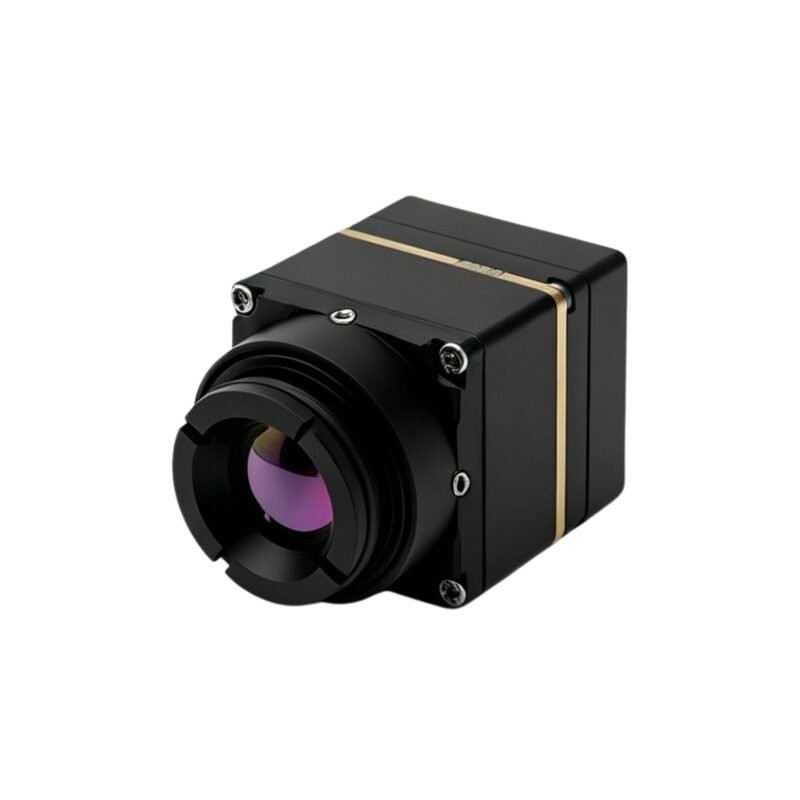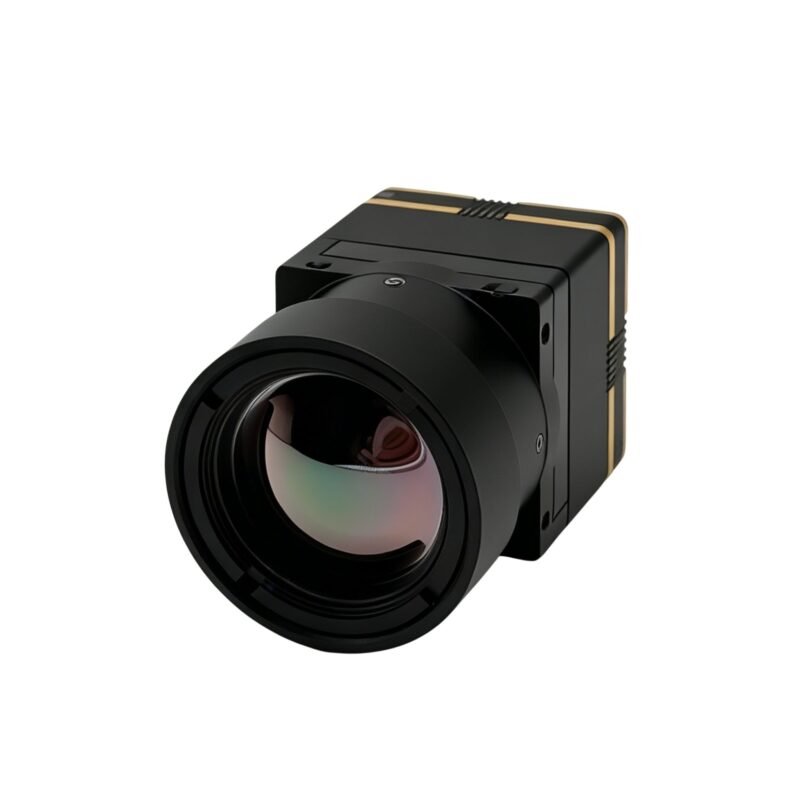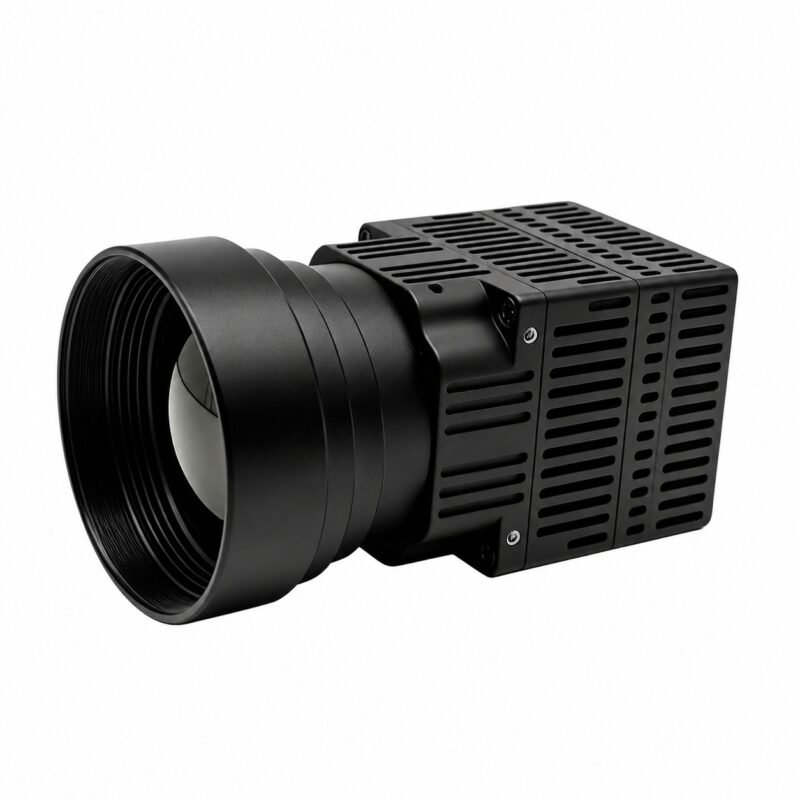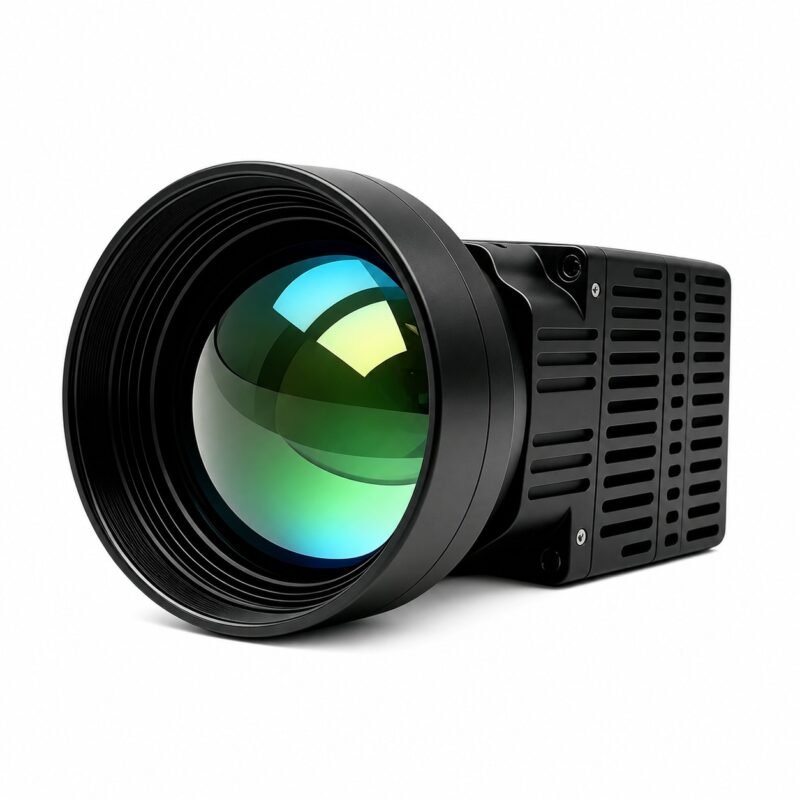


Cooled vs Uncooled Thermal Imaging: Key Differences, Advantages, Applications, and How to Choose
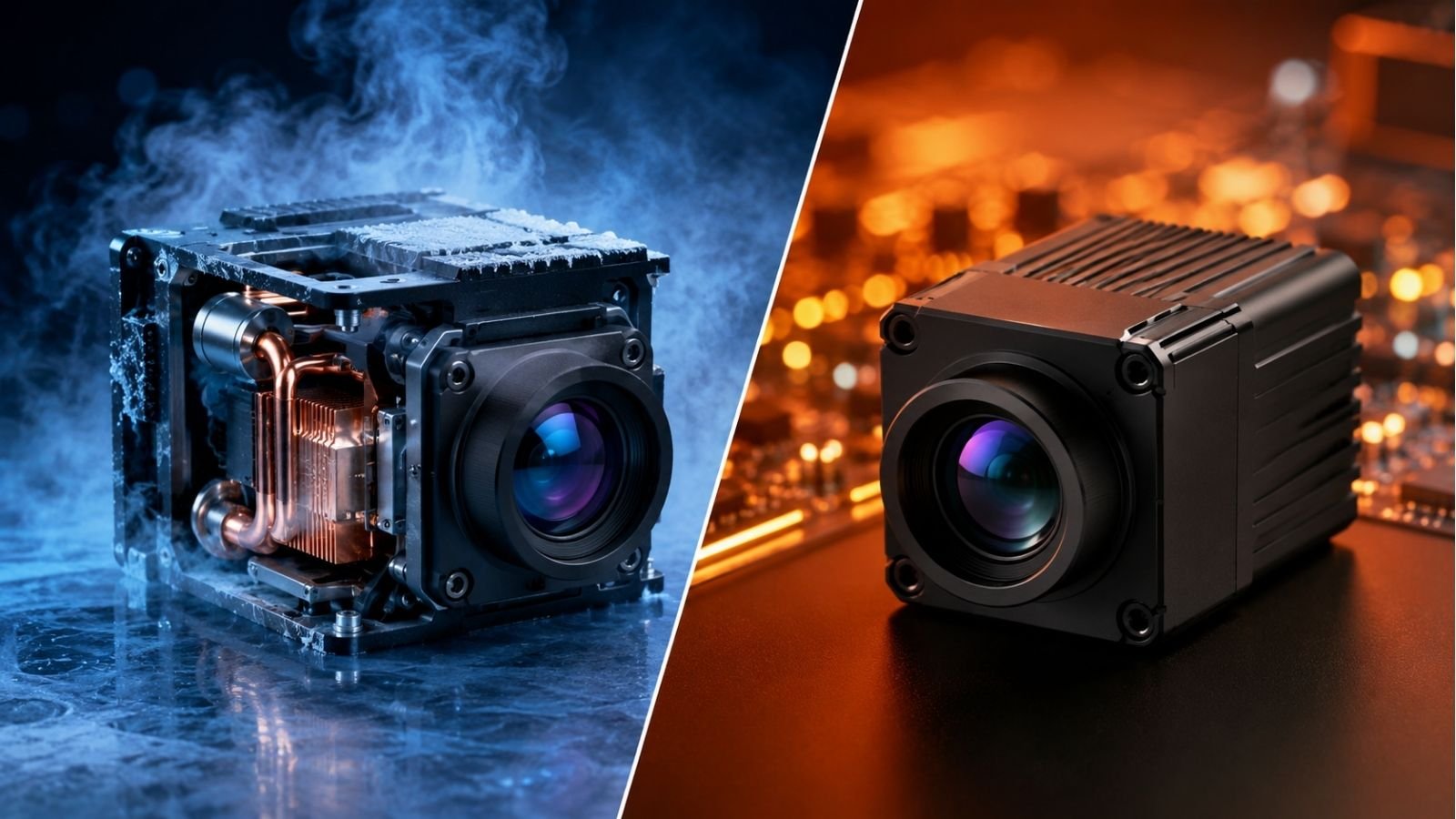
Quick answer: choose uncooled thermal imaging for most commercial, industrial, and UAV applications — it is compact, affordable, and starts instantly. Choose a cooled system only when you need maximum sensitivity and long-range detection, typically in defense and scientific applications.
Introduction
Thermal imaging technology has become an essential tool in military surveillance, border security, industrial inspection, UAV payloads, firefighting, search and rescue operations, and commercial monitoring systems.
When researching thermal cameras, one question appears repeatedly:
What is the difference between cooled and uncooled thermal imaging systems?
Although both technologies detect infrared radiation and generate thermal images, they differ significantly in sensitivity, detection range, image quality, power consumption, cost, and application scenarios.
This article explains the key differences between cooled and uncooled thermal imaging technology and helps buyers determine which solution best fits their requirements.
What Is Thermal Imaging Technology?
Thermal imaging technology detects infrared energy emitted by objects and converts temperature differences into visible images.
Unlike traditional cameras, thermal cameras do not require visible light.
They can operate in:
- Complete darkness
- Smoke-filled environments
- Foggy conditions
- Camouflaged surroundings
This capability makes thermal imaging valuable for military, industrial, and commercial applications.
What Is an Uncooled Thermal Camera?
An uncooled thermal camera uses a detector that operates at ambient temperature without a cryogenic cooling system.
Most modern uncooled thermal imagers use microbolometer sensors.
Advantages of Uncooled Thermal Imaging
- Compact size
- Lightweight design
- Instant startup
- Lower power consumption
- Reduced maintenance requirements
- Lower overall cost
Common Applications
- Drone thermal cameras
- Security surveillance
- Industrial inspections
- Building diagnostics
- Electrical maintenance
- Wildlife observation
Because of their affordability and reliability, uncooled thermal cameras dominate the commercial thermal imaging market.
What Is a Cooled Thermal Camera?
A cooled thermal camera incorporates a cryogenic cooling system that lowers the detector temperature to extremely low levels.
Reducing detector temperature significantly improves sensitivity to weak infrared signals.
As a result, cooled thermal cameras provide superior performance in long-range detection and target identification applications.
Advantages of Cooled Thermal Imaging
- Exceptional thermal sensitivity
- Longer detection distances
- Better image contrast
- Higher target recognition capability
- Superior performance in demanding environments
Common Applications
- Military surveillance systems
- Border security
- Long-range reconnaissance
- Missile guidance systems
- Airborne targeting pods
- High-end scientific research
Cooled vs Uncooled Thermal Imaging: Major Differences
1. Detector Technology
The primary difference lies in the infrared detector.
Uncooled systems operate at ambient temperature.
Cooled systems require a cryogenic cooler to reduce detector temperature and suppress internal thermal noise.
2. Detection Range
Cooled thermal cameras generally provide significantly longer detection ranges.
For long-distance target acquisition, cooled sensors outperform uncooled alternatives.
This is particularly important for:
- Military ISR missions
- Border surveillance
- Coastal monitoring
- Airborne reconnaissance
3. Thermal Sensitivity
Thermal sensitivity determines how small a temperature difference a camera can detect.
Because cooled detectors generate less internal noise, they can identify much smaller thermal variations.
This results in:
- Better target separation
- Improved image clarity
- Enhanced detection of concealed objects
4. Image Quality
Cooled thermal imagers usually produce:
- Sharper images
- Better contrast
- More visible details
- Improved target recognition
These advantages become increasingly noticeable at longer distances.
5. Startup Time
Uncooled thermal cameras typically start operating within seconds.
Cooled thermal cameras require a cooling cycle before operation.
Startup times can range from several seconds to several minutes.
6. Size and Weight
Uncooled thermal systems are generally:
- Smaller
- Lighter
- Easier to integrate
Cooled systems require additional cooling hardware, increasing size and weight.
7. Power Consumption
Cryogenic coolers consume additional electrical power.
Therefore:
- Uncooled systems offer longer battery life.
- Cooled systems require greater power resources.
This factor is particularly important for UAV platforms.
8. Cost
One of the biggest differences is price.
Uncooled thermal cameras are generally more affordable and suitable for large-scale deployment.
Cooled thermal systems involve:
- Complex detector manufacturing
- Cryogenic cooling technology
- Higher maintenance costs
Consequently, cooled thermal cameras are significantly more expensive.
Why Most UAV Thermal Payloads Use Uncooled Sensors
The global UAV market has rapidly adopted uncooled thermal imaging technology.
Key reasons include:
Lower Weight
Drone payload capacity is limited.
Uncooled sensors minimize weight impact.
Lower Power Consumption
Reduced power requirements improve flight endurance.
Lower Cost
Manufacturers can deploy thermal imaging capabilities at a much lower system cost.
Greater Reliability
The absence of moving cooling components increases long-term reliability.
For most commercial UAV applications, uncooled thermal imaging offers the optimal balance between performance and cost.
When Should You Choose a Cooled Thermal Camera?
Cooled thermal imaging is recommended when applications require:
- Long-range detection
- High-value target tracking
- Military surveillance
- Border security
- Airborne reconnaissance
- Precision scientific measurement
In these situations, maximum performance outweighs cost considerations.
When Should You Choose an Uncooled Thermal Camera?
Uncooled thermal imaging is ideal for:
- Industrial inspections
- Security monitoring
- Fire prevention
- Electrical inspections
- Building diagnostics
- Commercial UAV payloads
These applications prioritize affordability, portability, and reliability.
Future Trends in Thermal Imaging Technology
The thermal imaging industry continues to evolve.
Future developments include:
- Higher detector resolution
- AI-assisted target recognition
- Lower power consumption
- Multi-sensor fusion
- Enhanced UAV integration
Both cooled and uncooled technologies will continue serving different market segments.
Frequently Asked Questions (FAQ)
Is cooled thermal imaging better than uncooled?
Not necessarily.
Cooled thermal cameras provide better performance, but uncooled systems offer lower cost, lighter weight, and greater practicality for many applications.
Why are cooled thermal cameras more expensive?
Because they require sophisticated infrared detectors and cryogenic cooling systems.
Can uncooled thermal cameras be used on drones?
Yes. Most commercial UAV thermal payloads use uncooled thermal sensors.
Which thermal imaging technology is used in military systems?
Both are used, but long-range military surveillance systems typically prefer cooled thermal imaging due to superior detection performance.
Conclusion
Choosing between cooled and uncooled thermal imaging depends on your operational requirements, budget, detection range needs, and platform limitations.
For commercial applications, industrial inspections, and UAV integration, uncooled thermal imaging is often the preferred choice.
For military surveillance, border security, and long-range target acquisition, cooled thermal imaging remains the benchmark for maximum performance.
Understanding the differences between cooled and uncooled thermal imaging technologies will help buyers select the most effective infrared solution for their specific mission requirements.