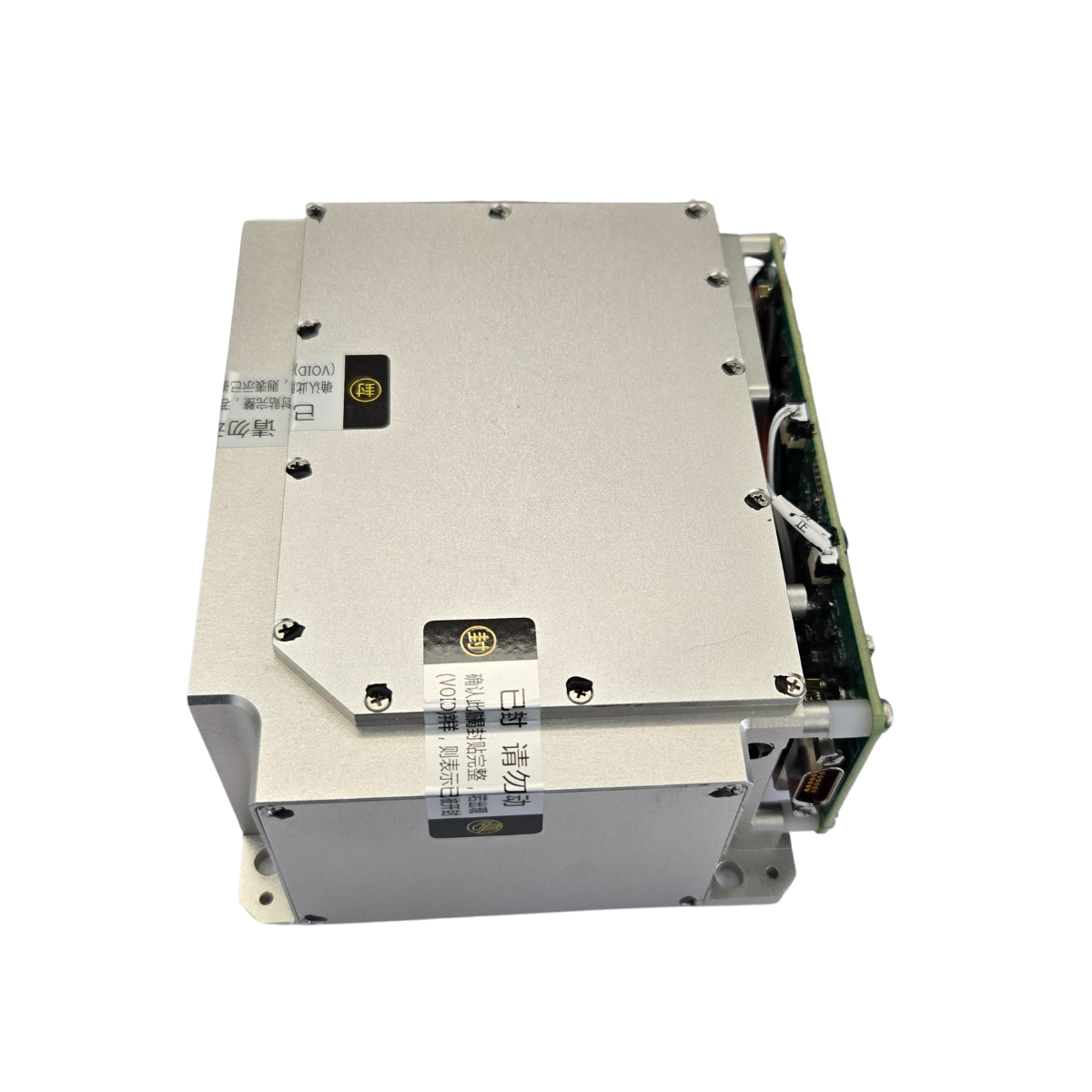
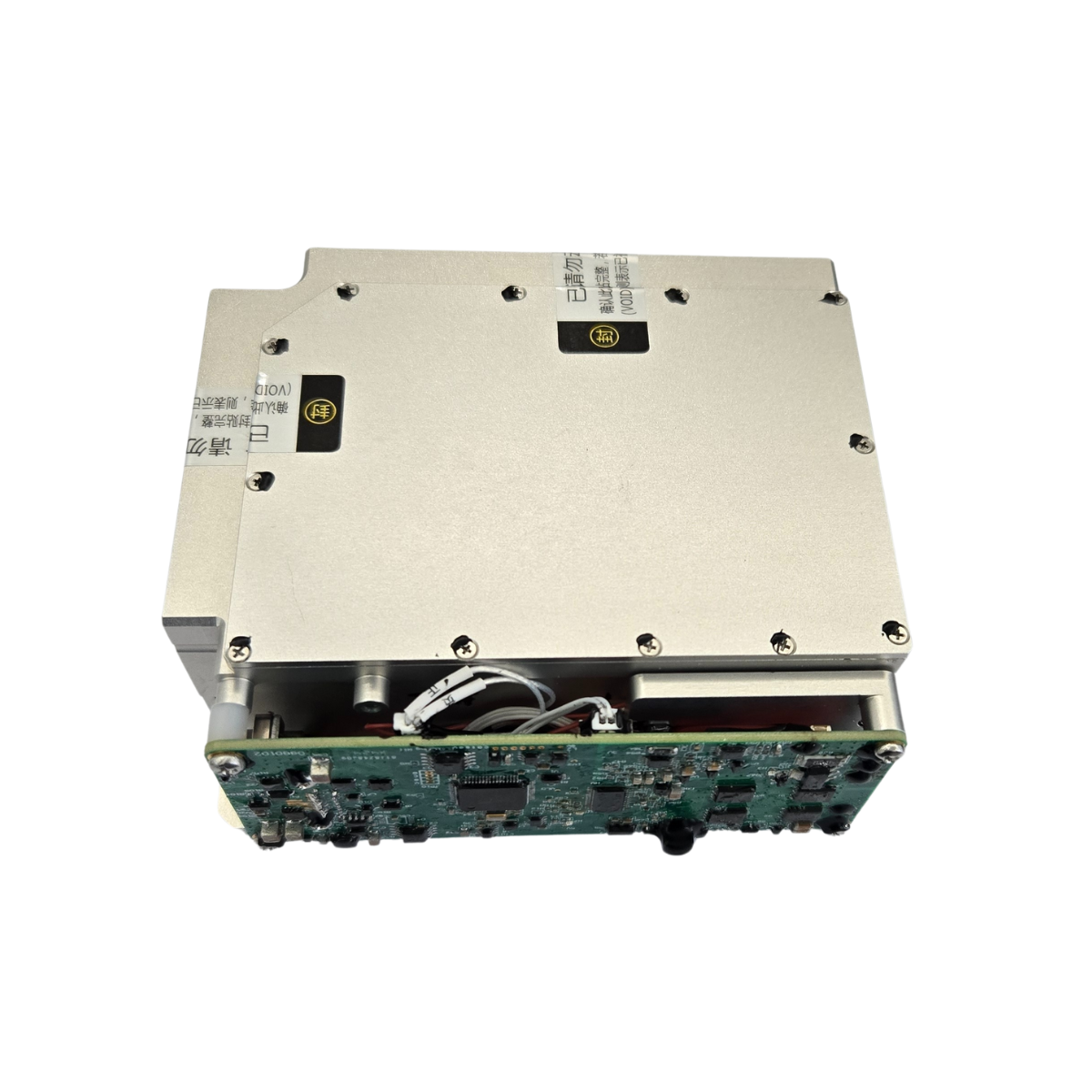
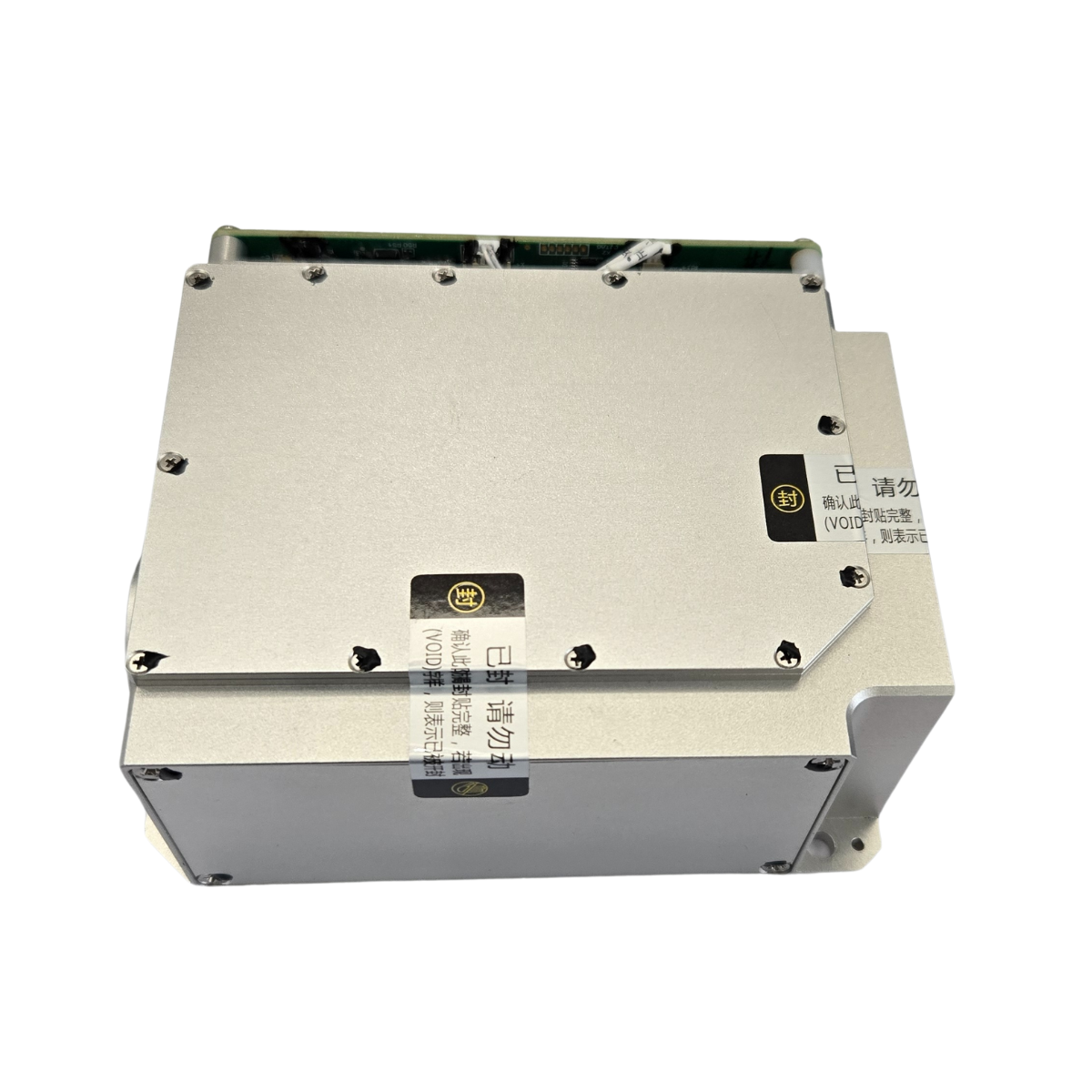
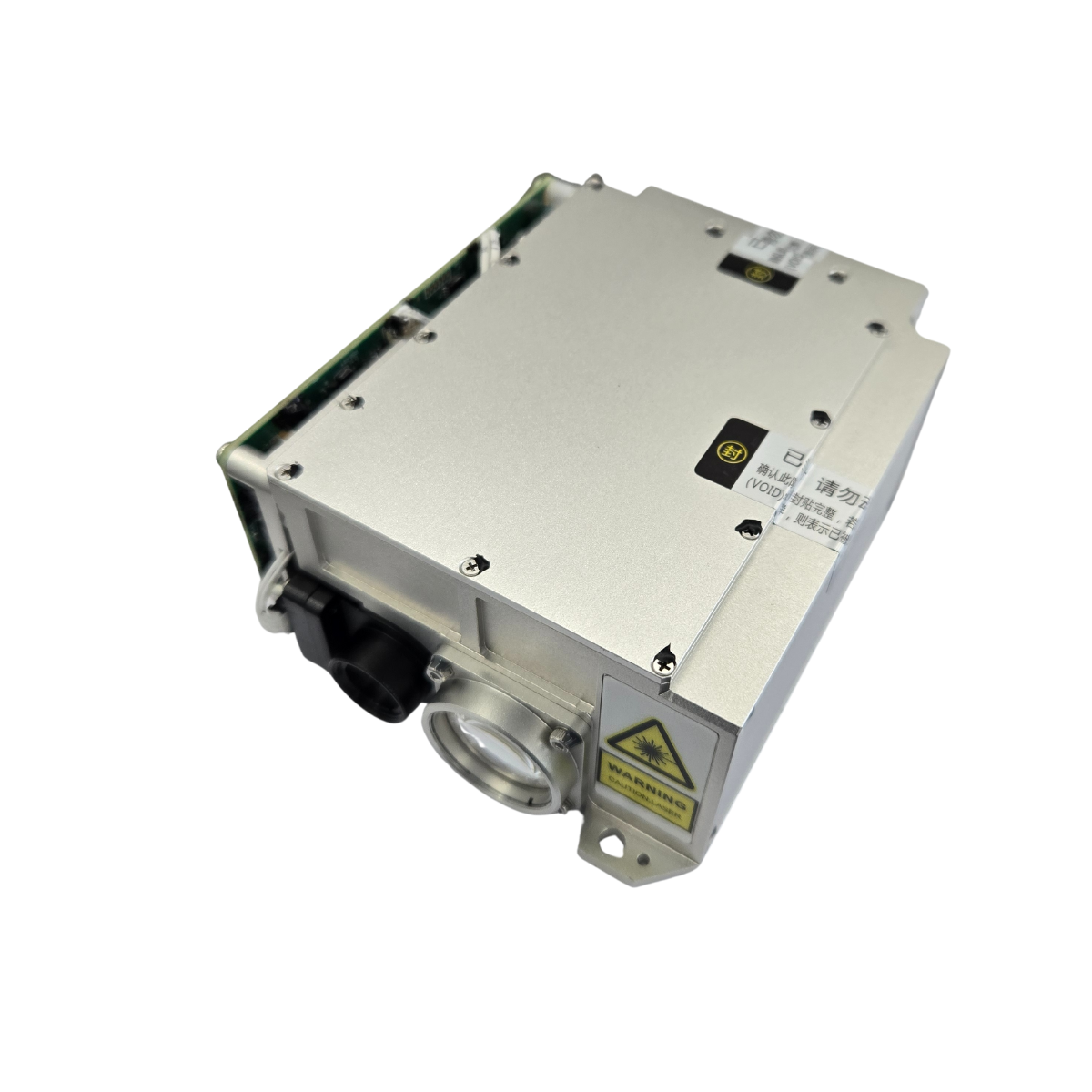
TECHNICAL SPECIFICATIONS
Control Function | ||
The laser target indicator can achieve the following control functions through the serial interface. | It can respond to laser ranging and irradiation commands, and can stop ranging and irradiation at any time according to the stop command. During ranging, distance data and status information are output once for each pulse. If no stop command is received after starting the 1Hz ranging, it will automatically stop after 5 minutes. If no stop command is received after starting the 5Hz ranging, it will automatically stop after 5 minutes. It can set the irradiation time and coding, and can output the selected settings. It can respond to the laser irradiation command and perform irradiation according to the set mode and coding. During laser irradiation, the distance value and status information are output once for each pulse. It gives priority to responding to the irradiation command. During continuous ranging, if an irradiation command is received, the ranging should be stopped and the irradiation command should be responded to immediately. During the execution of the irradiation command, it will not respond to other commands except the stop irradiation command. It can report the cumulative number of emitted laser pulses (the data will not be lost in case of power failure). It conducts self-checks (including power-on self-check, periodic self-check, and initiated self-check), and outputs fault codes. a. Power-on Self-check: (Including high-temperature alarm); It can monitor the temperature and report the current operating temperature to the system. It provides temperature alarm output. | |
Parameter Indicators | ||
Pump Source | Laser LD (Laser Diode) Pumping | |
Cooling Method | Passive cooling, no temperature control | |
Working Mode | Laser Ranging, Laser irradiation | |
Operating Wavelength | 1064nm±3nm | |
Pulse Energy | ≥80 mJ | |
Laser Energy Stability | Within a single irradiation cycle, the pulse energy fluctuation does not exceed 10% of the average energy. | |
Pulse Width | ≥15ns±5ns | |
Beam Divergence Angle | ≤0.30 mrad | |
Stability of The Laser Optical Axis | ≤0.05mrad | |
Ranging performance | ||
Ranging Frequency | 1~20 Hz | |
Continuous Ranging Time | ≤300m | |
Maximum Ranging Distance | ≥16 km (Under the conditions of a target with a size of 2.3m×2.3m, a diffuse reflectance coefficient of not less than 0.2, a visibility of not less than 23 km, and a relative humidity of not more than 70%) | |
Ranging accuracy | ±1m. | |
Successful Ranging Rate | ≥98% | |
Continuous Laser Ranging Time | 5min(1Hz)/1min (5Hz)/20S(20hz) | |
Irradiation performance | ||
Precision of Laser Coding | ±1μs | |
Laser Irradiation Frequency | 1~20Hz | |
Laser Irradiation Distance | ≥8000m | |
Laser Target Designation Cycle | Irradiation center frequency (calibration): 20 pps
Short – duration irradiation mode: The duration of a single irradiation shall be no more than 17 seconds, with an interval of no less than 10 seconds between each irradiation, and it can perform continuous irradiation for 8 cycles.
Long – duration irradiation mode: The duration of a single irradiation shall be no more than 60 seconds. When restarting the irradiation, the interval shall be no less than 45 seconds, and it can perform continuous irradiation for 4 cycles.
After the end of one target indication cycle, the time interval for starting the continuous target indication again shall not be less than 30 minutes. | |
Laser Coding | ||
It complies with the requirements of MIL-STD-810G standard and has the expandable capability of user self-coding. | ||
It has the ability to receive external synchronous signals and encodes by controlling the laser beam emitting mode through external signals. | ||
Coding method: Precise frequency code (encoded with eight groups of pre-stored periodic codes). | ||
Dimensions and Weight | ||
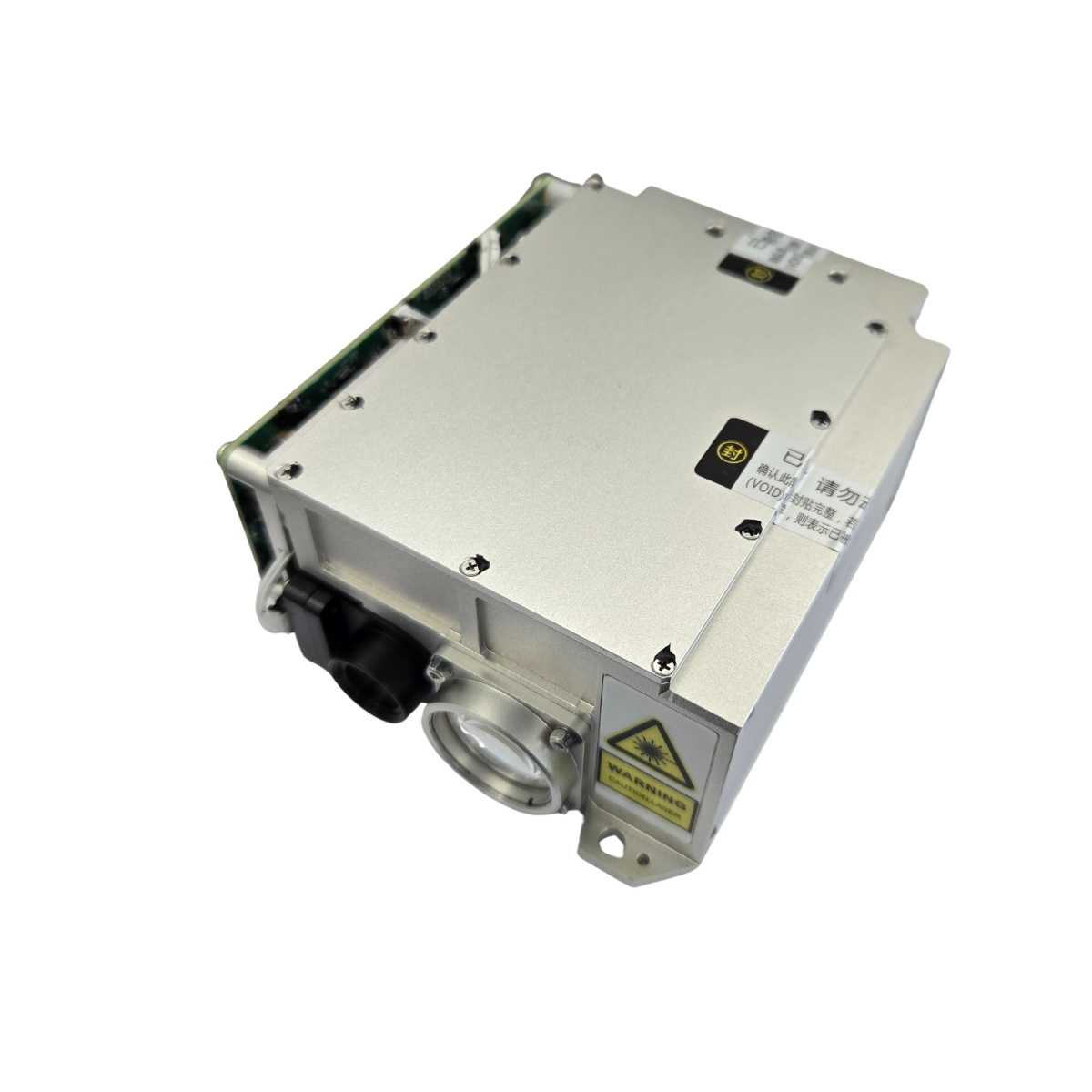
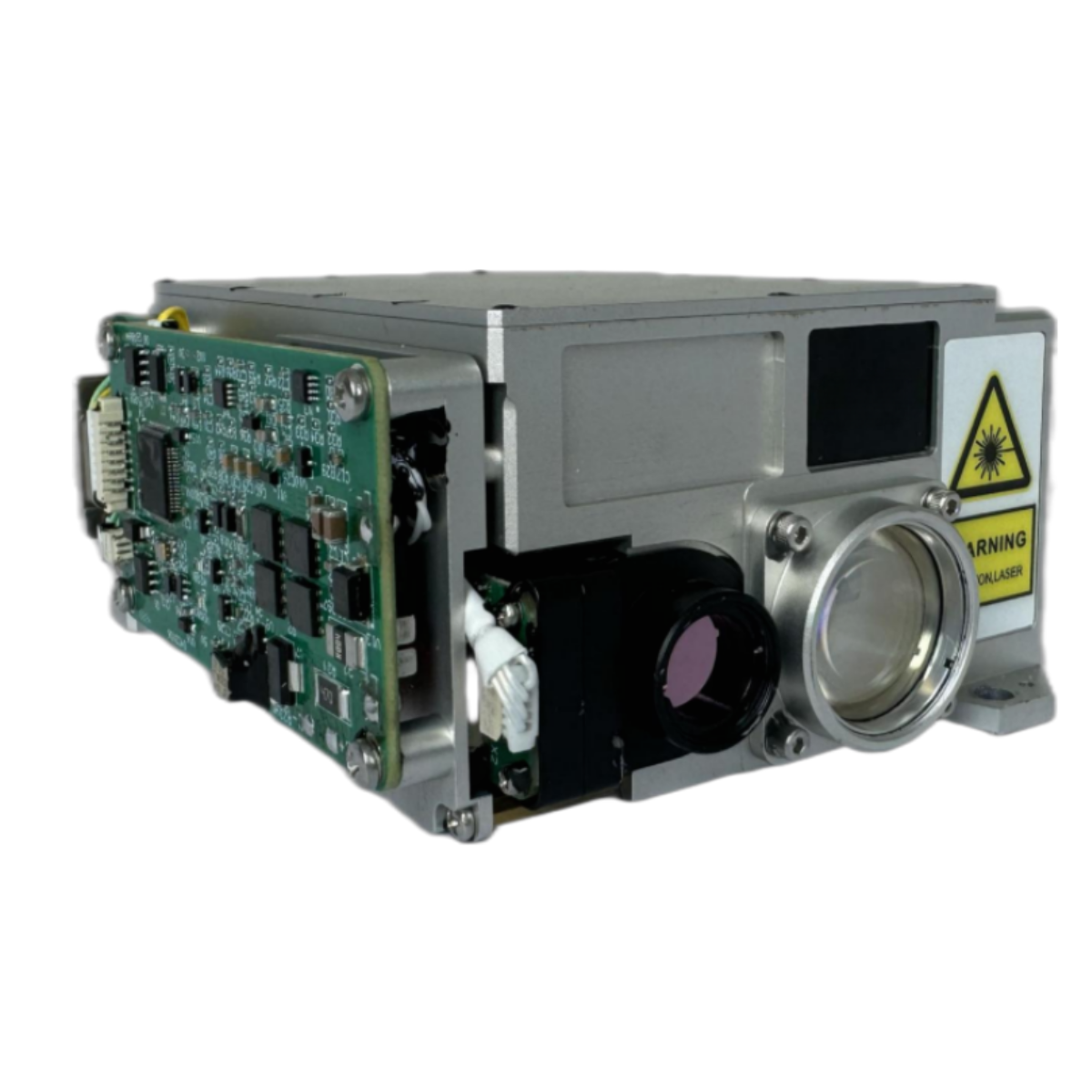
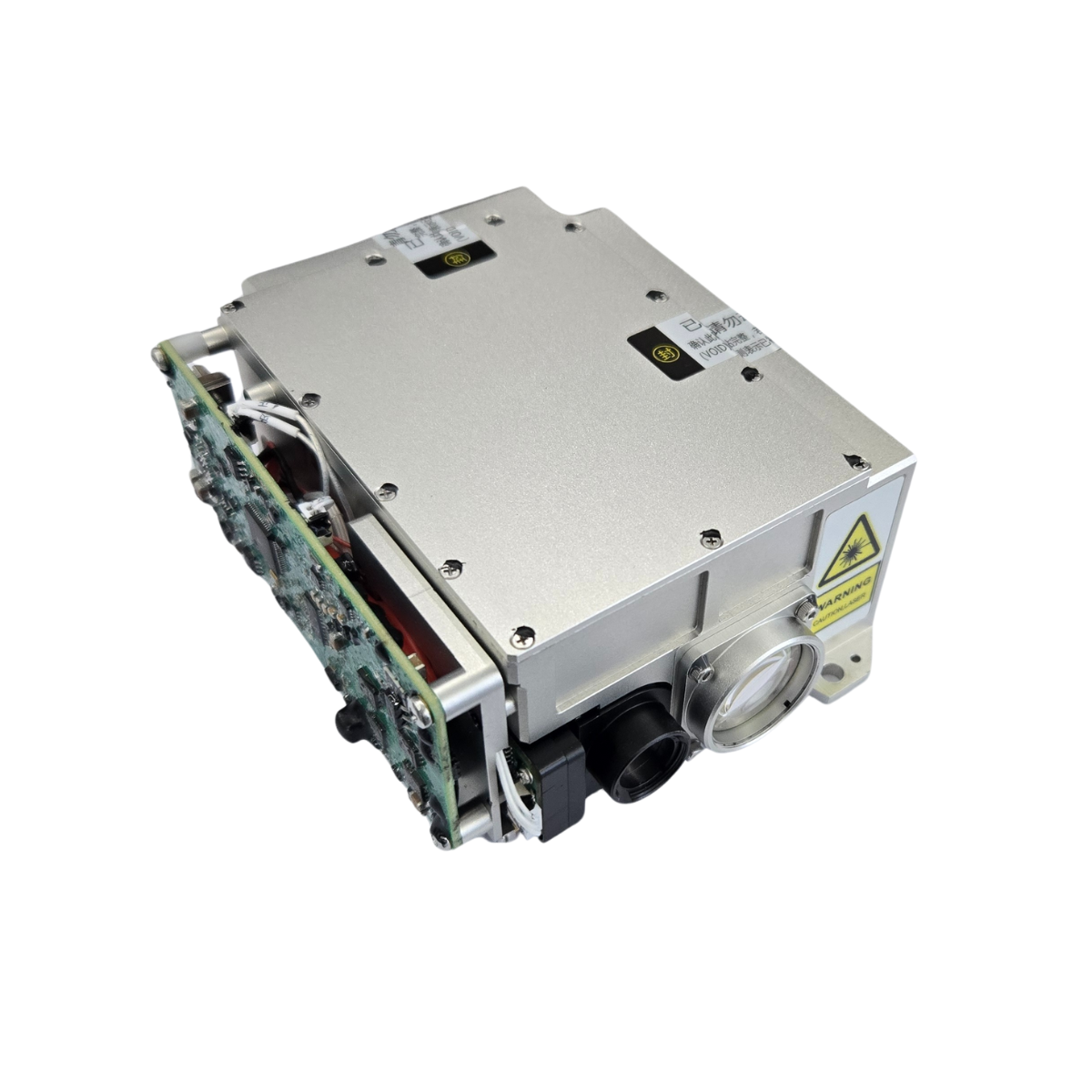
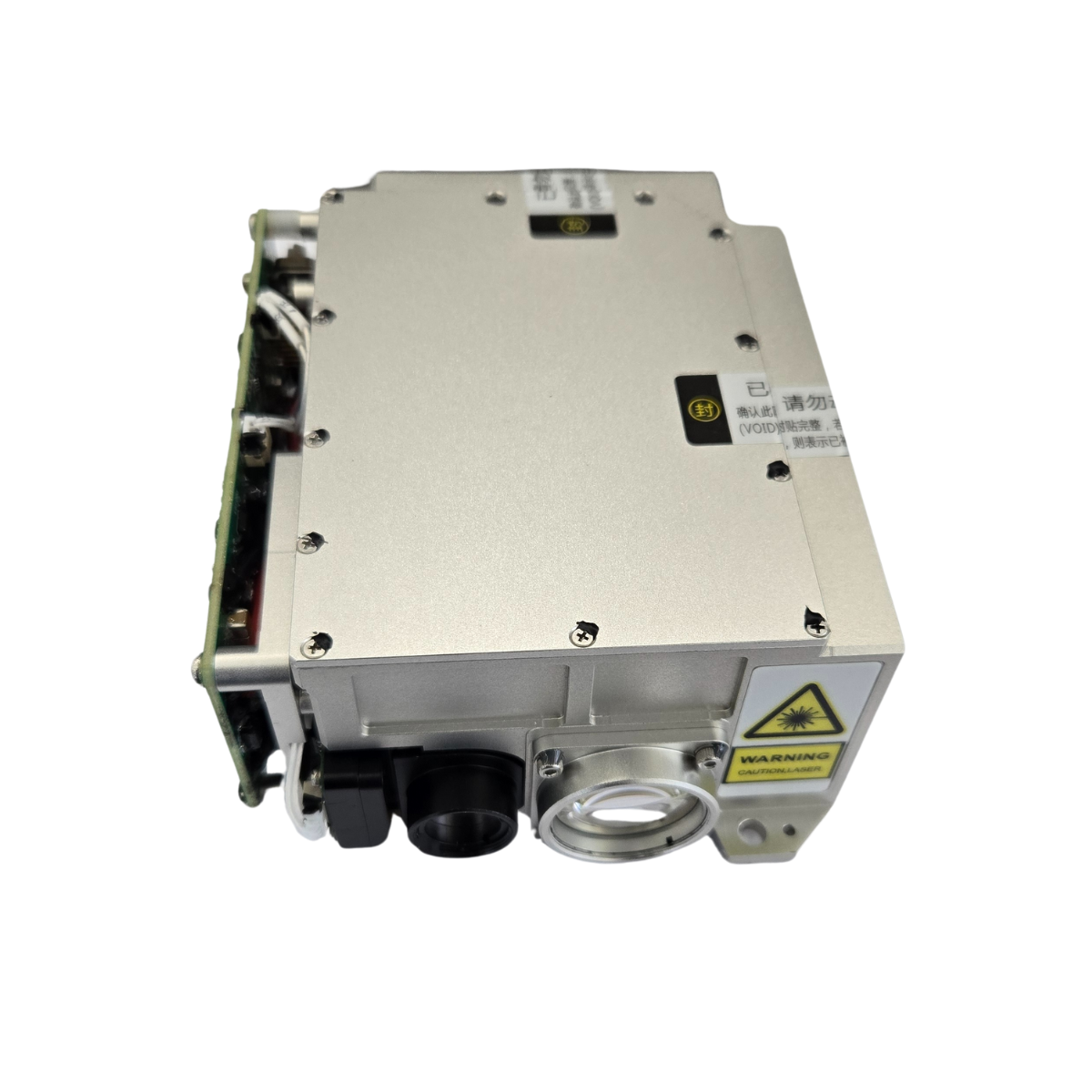
External Dimension Envelope | ≤116mm×52mm×96mm | |
Weight | ≤680g | |
Degree of non-parallelism between the installation reference base and the optical axis | 0.5mrad | |
Input Power Supply Requirements | ||
During operation, the average power consumption is not more than 55W, and the peak power consumption is not more than 100W. | ||
The operating voltage range is from 20V ~ 28V. | ||
Three-proofing for Electrical Components | ||
After the circuit board is designed and debugged, it is coated with three-proofing paint for “three-proofing” treatment. | ||
Environmental adaptability requirements | ||
High Temperature | Operating temperature | ≤ +55°C |
Storage temperature range | ≥ -40°C | |
Low Temperature | Operating temperature | ≥ -40°C |
Storage temperature range | ≥ -45°C | |
Vibration Requirements | It can withstand the flight vibration as well as the impacts during takeoff and landing, and all equipment can withstand the environmental conditions of automobile transportation. The vibration is in the form of a swept frequency spectrum. From 15Hz to 33Hz, it is a sinusoidal vibration with equal displacement, and the displacement magnitude is 0.91mm; from 33Hz to 700Hz, it is a sinusoidal vibration with equal acceleration, and the acceleration is 2g. Vibrate in each of the three directions for 1 hour. Specimen Status: The product is placed on the test bench in the normal operating state for the impact test, and the product is powered on. After the impact test, the product should operate normally. | |
Shock Requirements | Vertical axial direction: ≥ 10g, Horizontal axis direction: ≥ 10g, Longitudinal axis direction: ≥ 10g; Post-peak sawtooth wave with a duration of 11ms. For the X, Y, and Z axes, in two directions of each axis, once for each direction, a total of 18 times. Specimen Status: The product is placed on the test bench in the normal use state for the shock test, and the product is powered on. After the shock test, the product should operate normally. | |