

Laser Rangefinder Module Purchasing Guide
How to Choose the Right Laser Distance Measurement Module for Your Project
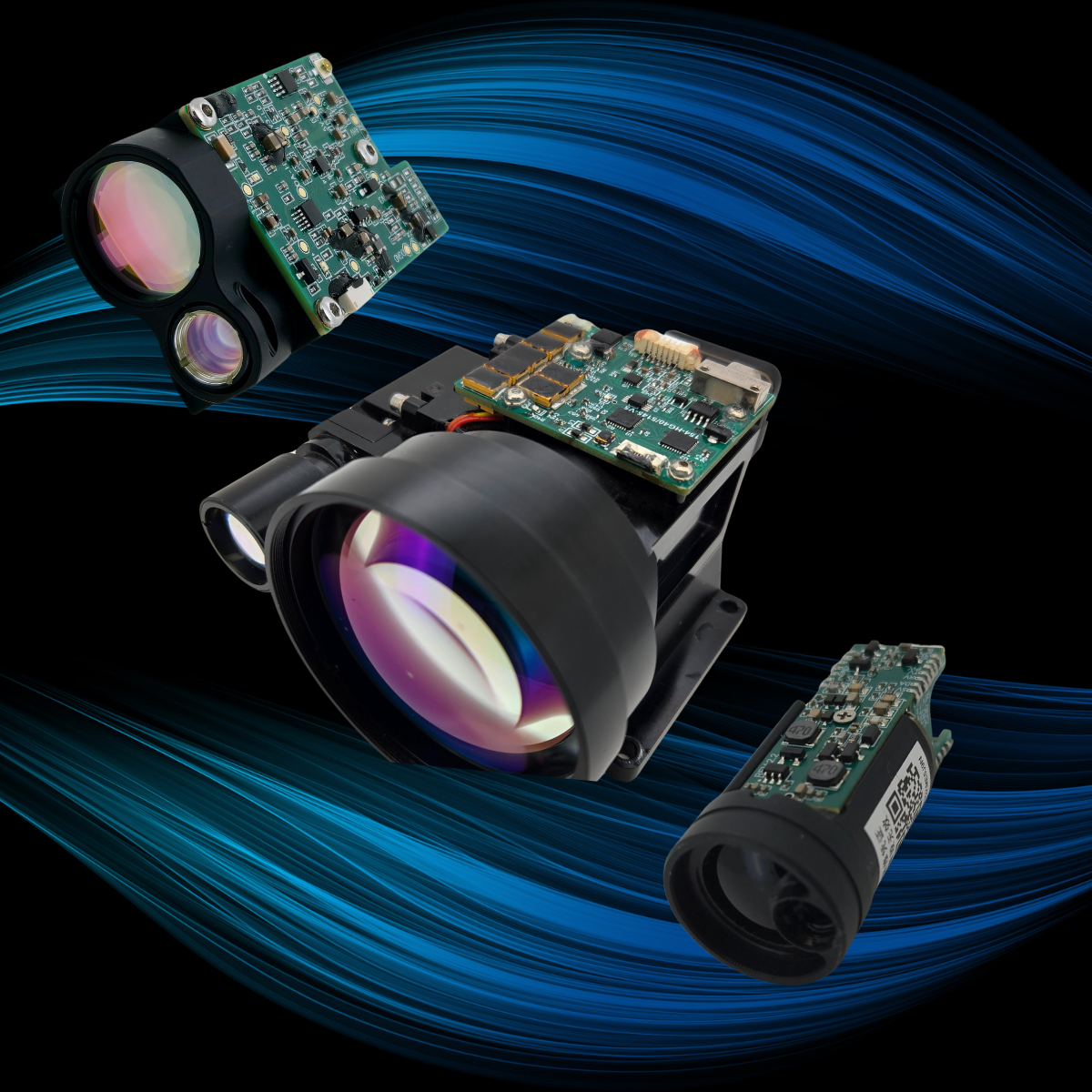
Quick answer: start by defining your application scenario, then match measurement range, accuracy, interface, and environmental requirements — the highest-spec module is rarely the best fit for your project.
As industries such as robotics, drones, smart manufacturing, autonomous systems, and intelligent devices continue to grow, laser ranging technology is becoming increasingly important in modern electronic products.
At the center of many of these systems is a critical component known as the laser rangefinder module.
Today, laser distance measurement modules are widely used in:
Drones
Robots
Autonomous guided vehicles (AGVs)
Smart home devices
Industrial automation systems
LiDAR equipment
Security systems
Surveying instruments
However, for many buyers and project managers, purchasing the right laser ranging module can be surprisingly difficult.
The market contains countless models with different specifications, prices, and performance levels. Some products may appear similar on paper but perform very differently in real-world applications.
Some modules are inexpensive but unstable.
Others offer excellent performance but may be unnecessary for the intended project.
Choosing the right laser rangefinder module is not simply about selecting the product with the highest specifications. It requires understanding application needs, environmental conditions, system compatibility, and long-term reliability.
This article explains the most important purchasing tips for laser ranging modules in a simple and easy-to-understand way.
What Is a Laser Rangefinder Module?
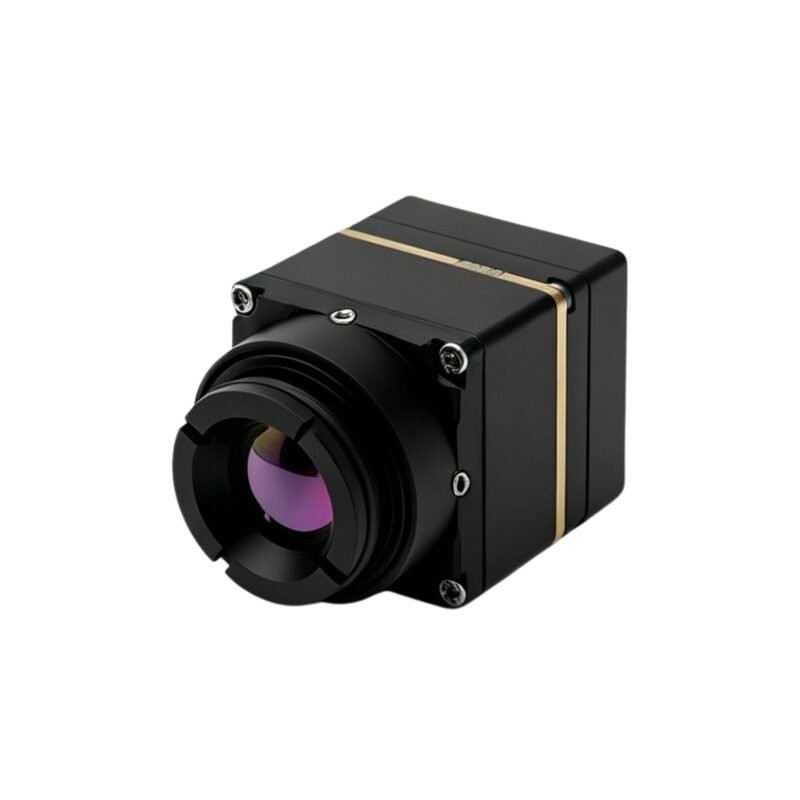
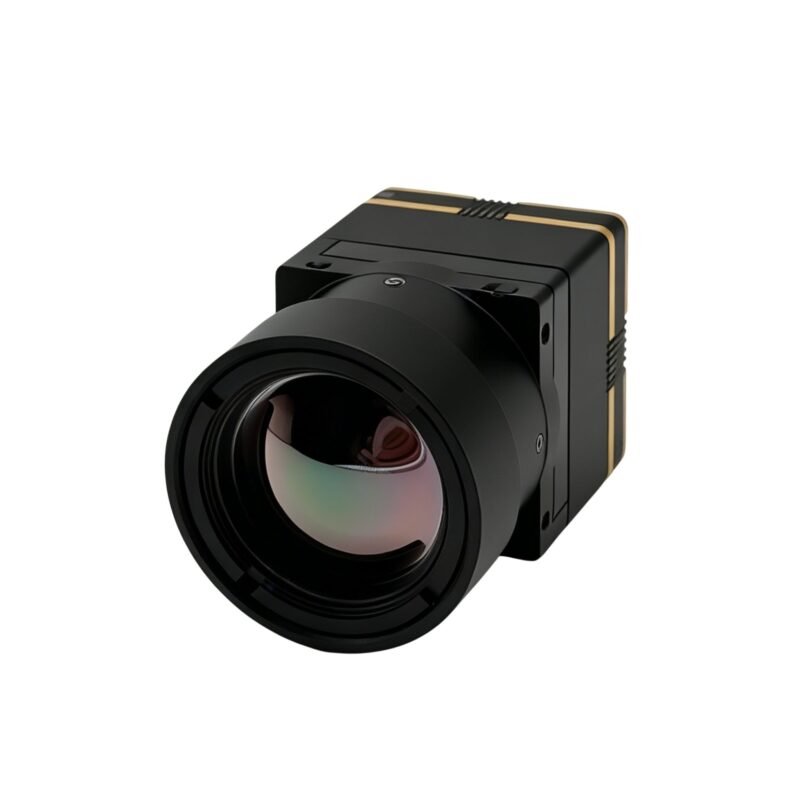
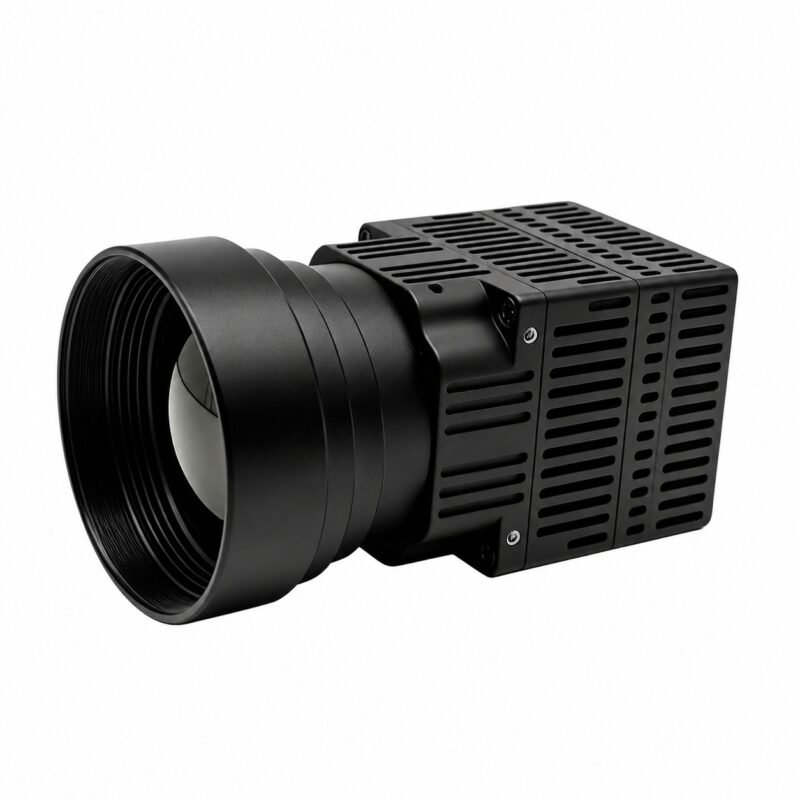
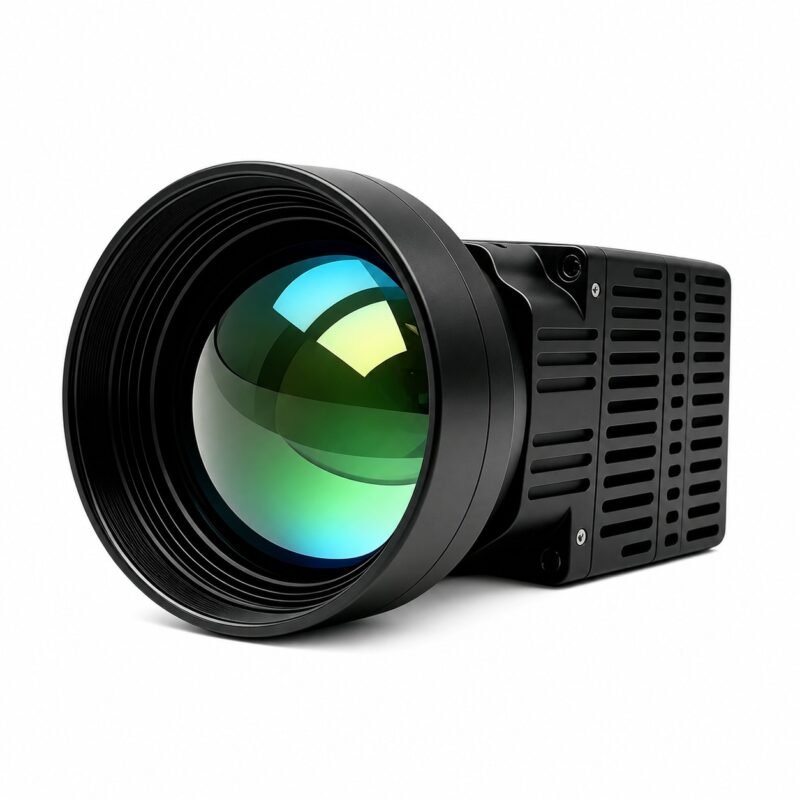
A laser rangefinder module is a compact electronic component designed to measure distance using laser technology.
A typical module usually contains:
A laser transmitter
Optical components
A signal receiver
Control circuitry
Data processing chips
The module emits a laser beam toward a target. After the laser reflects back, the system calculates the distance based on the returned signal.
Unlike a complete measurement device, a laser module is usually integrated into larger systems and products.
Different industries require very different types of laser ranging modules, which is why defining the application scenario is the first and most important step before purchasing.
Step 1: Clearly Define Your Application Requirements
One of the biggest reasons for purchasing mistakes is not poor product quality, but choosing the wrong type of module for the project.
For example:
Some projects only require short-range indoor obstacle detection but purchase expensive long-range industrial modules.
Others require outdoor long-distance measurement but select low-power consumer-grade products.
Before choosing a module, buyers should clearly answer several key questions.
Measurement Distance Requirements
Measurement range is one of the most important factors.
Different laser ranging modules support vastly different detection distances.
Some modules only work at short distances, while industrial-grade systems may measure hundreds of meters away.
Typical application requirements include:
Smart home devices: short-range sensing
Consumer robots: short to medium range
Drone obstacle avoidance: medium range
Industrial surveying: long-range measurement
Security monitoring: ultra-long-distance detection
In general, longer range usually means higher cost.
For many projects, selecting a module that is “sufficient” is more practical than simply choosing the most powerful specification available.
Accuracy Requirements
Different applications require different levels of measurement accuracy.
For example:
Toy robots may tolerate centimeter-level errors
Construction surveying may require millimeter-level precision
Industrial automation may demand extremely stable measurement performance
Higher accuracy often requires:
More advanced optics
Better processing chips
Higher-quality algorithms
Improved calibration systems
Naturally, these features increase product cost.
Many projects do not actually require ultra-high precision, so understanding real-world requirements is essential.
Environmental Conditions Matter
Environmental conditions have a major influence on laser ranging performance.
Before purchasing, buyers should carefully consider the operating environment.
Indoor or Outdoor Use
Outdoor sunlight can interfere with some laser systems.
Rain, Fog, Dust, or Smoke
Harsh weather conditions may reduce measurement reliability.
Vibration and Movement
Drones, robots, and mobile devices require modules with strong anti-vibration performance.
High Temperature or Industrial Conditions
Industrial applications often demand better thermal stability and environmental durability.
Real-world adaptability is often more important than laboratory specifications alone.
Step 2: Focus on Core Specifications Instead of Marketing Claims
Many buyers are easily attracted by marketing terms such as:
Ultra-long range
High precision
Industrial-grade performance
However, understanding the actual meaning behind technical specifications is far more important.
Refresh Rate
Refresh rate determines how quickly the module updates distance data.
For static measurements, low refresh rates may be acceptable.
But for moving systems such as:
Drones
Autonomous robots
AGVs
Collision avoidance systems
high-speed refresh capability becomes extremely important.
A slow update rate can cause delayed system reactions and reduced safety.
Field of View
The field of view determines how wide an area the module can detect.
A narrow field of view may miss obstacles.
A very wide field of view may increase false detections.
Different applications require different balances between detection coverage and accuracy.
Power Consumption
Power consumption is often overlooked during purchasing.
However, for battery-powered devices such as:
Drones
Mobile robots
Handheld devices
Wearable electronics
low power consumption is critical for maintaining battery life.
Future laser modules will increasingly focus on energy efficiency.
Size and Weight
Space limitations are another important consideration.
Applications such as:
Compact drones
Service robots
Smart wearable devices
often require extremely small and lightweight modules.
Miniaturization is becoming one of the key trends in the laser ranging industry.
Step 3: Do Not Choose Based on Price Alone
Price differences in the laser ranging market can be significant.
Low-cost products may suffer from issues such as:
Unstable measurements
Poor environmental adaptability
Data drift
Short operating lifespan
Weak technical support
For development projects, unstable core components can lead to expensive delays and debugging costs later.
When purchasing laser rangefinder modules, buyers should pay close attention to:
Long-term stability
Manufacturing quality
Product consistency
Technical support capability
Supply chain reliability
For mass production projects, product consistency is especially important.
Even small differences between production batches can create major problems during manufacturing and system integration.
Step 4: Pay Attention to Interfaces and Compatibility
Many integration problems occur not because of poor ranging performance, but because the module cannot communicate properly with the system.
Buyers should carefully verify interface compatibility.
Common interfaces include:
UART
I2C
USB
CAN
Ethernet
Different control systems support different communication standards.
It is also important to check whether the supplier provides:
Software development kits (SDKs)
Technical documentation
Firmware update support
Secondary development capability
For engineering teams, these factors are often more important than raw performance specifications.
Step 5: Choose Suppliers with Industry Experience
Laser ranging technology involves multiple disciplines, including:
Optics
Electronics
Embedded systems
Signal processing
Software algorithms
Experienced suppliers generally provide:
More stable products
Better quality control
Stronger technical support
More reliable delivery capability
For industrial and overseas projects, stable long-term supply capability is especially important.
Many projects fail not because of technical limitations, but because of unstable supply chains.
Step 6: Sample Testing Is Essential
Never rely only on specification sheets when purchasing laser ranging modules.
Real-world testing is extremely important.
Laboratory performance and actual operating conditions can differ significantly.
Recommended test scenarios include:
Outdoor sunlight performance
Detection of dark-colored objects
Glass reflection handling
High-speed moving targets
Long-term operational stability
Multi-device interference testing
Many hidden problems only appear during real application testing.
Thorough sample evaluation can greatly reduce project risks later.
Future Trends of Laser Rangefinder Modules
The laser ranging industry is expected to evolve rapidly in the coming years.
Several major trends are becoming increasingly clear.
Smaller and More Compact Designs
Future modules will become lighter, thinner, and easier to integrate into intelligent devices.
Lower Costs
Mass production and technology improvements will continue reducing prices.
Smarter Functionality
Future modules may not only measure distance but also provide environmental perception and intelligent analysis capabilities.
Lower Power Consumption
Energy-efficient designs will become increasingly important for portable devices.
Multi-Sensor Integration
Laser ranging modules will increasingly work together with:
Cameras
Millimeter-wave radar
AI processors
Visual recognition systems
to create advanced intelligent sensing platforms.
Conclusion
Although laser rangefinder modules are relatively small components, they play a critical role in many intelligent systems.
From drones and robots to industrial automation and smart homes, more and more devices rely on accurate spatial perception capabilities.
Purchasing the right laser ranging module is not simply about buying a sensor.
It requires careful consideration of:
Application requirements
Environmental conditions
System compatibility
Product stability
Supplier capability
Long-term support
Understanding these factors can help buyers avoid common purchasing mistakes and improve overall project success.
As artificial intelligence, robotics, and smart automation continue to grow, the demand for laser rangefinder modules will likely increase even further.
Choosing the right module today may become a key competitive advantage for future intelligent products.